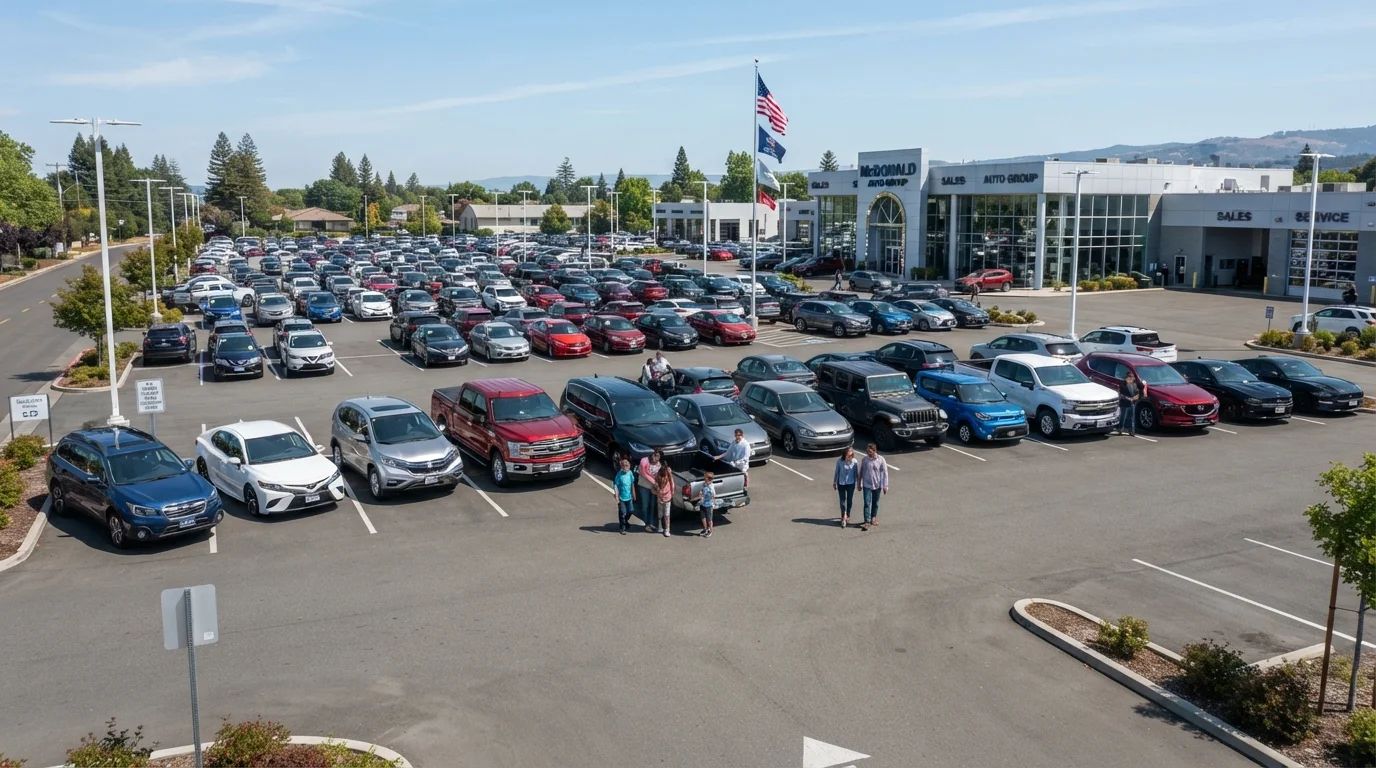
Your parking situation — garage dimensions, street availability, urban density — should narrow body style choices immediately.
Passenger capacity needs vary by household size, carpooling habits, and how often you carry more than two people.
Cargo requirements differ sharply between body styles; know whether you need enclosed space, a truck bed, or occasional flexibility.
Road and terrain conditions, including weather and commute type, directly affect which body styles make practical sense.
Fuel economy, insurance costs, and resale patterns vary meaningfully across body style categories.
Work through this practical checklist to narrow down which vehicle shape genuinely fits your parking situation, passenger load, cargo needs, and road conditions.
Why Body Style Deserves Its Own Decision
Most buyers start with a budget or a brand, then let a salesperson steer them toward a body style. Reversing that sequence — settling on the right shape first — tends to produce smarter, longer-lasting decisions. A vehicle's body style determines roofline height, cargo access, seating configuration, visibility, and how the vehicle behaves in tight parking structures or on rough terrain. None of those things change after purchase.
Before reviewing specific models, work through the questions in this checklist. They're organized around the four dimensions that body style most directly affects: your physical environment, your passenger load, your cargo reality, and the roads you actually drive. If you want a fuller breakdown of what each body style actually is, start with this overview of major body styles before returning here.
Parking & Physical Environment
Measure your garage opening height and depth, and verify that any body style you're considering fits without modification.Must
Assess whether you regularly park on city streets or in multi-level structures, where overall vehicle length and turning radius matter significantly.Must
Note whether tight parallel parking is a daily reality — body styles with longer hoods or wider footprints add meaningful complexity.Should
Consider whether your home or workplace has charging infrastructure if you're open to electrified body styles with larger battery packs.Nice to have
Passenger Capacity & Configuration
Count the maximum number of passengers you carry at least once a month — not just occasionally — to set a realistic seat-count floor.Must
Determine whether rear passengers are adults who need full headroom and legroom, or children who can accommodate a more compact back seat.Must
Decide if a third-row seat is a genuine necessity or a rarely-used luxury that will cost you cargo space and fuel efficiency year-round.Should
Think through whether you need easy rear-seat access — sliding doors on minivans and certain vans offer meaningfully better access than hinged rear doors.Should
Cargo Needs
Identify the largest item you realistically need to transport on a recurring basis — lumber, bicycles, strollers, sports equipment — and check it against cargo dimensions.Must
Decide whether cargo must be enclosed and weather-protected or whether an open truck bed is acceptable or preferable for your use case.Must
Determine if towing — trailers, boats, campers — is a current or near-future need, since only certain body styles are engineered for meaningful tow ratings.Should
Check whether a fold-flat rear seat or pass-through opening would solve your cargo needs without requiring a larger body style.Nice to have
Roads, Terrain & Driving Conditions
Note how often you drive on unpaved roads, gravel, or unimproved surfaces — this determines whether ground clearance is a practical requirement.Must
Assess your region's winter conditions and whether you rely on all-wheel drive or four-wheel drive; confirm that your preferred body style is available with the drivetrain you need.Must
Consider your typical commute — highway miles reward aerodynamic body styles, while stop-and-go city driving shifts the calculus toward hybrids and smaller footprints.Should
Cost & Practicality Factors
Compare insurance cost ranges across body style categories — trucks, performance cars, and large SUVs can carry noticeably different premium profiles than sedans.Should
Evaluate fuel economy differences between body styles over your estimated annual mileage to understand the long-term operating cost difference.Should
Research historical resale value trends across the body styles you're considering, keeping in mind that market conditions shift and past patterns do not guarantee future results.Nice to have
How to Use Your Answers
Once you've worked through the checklist, patterns should emerge. Consistent answers pointing toward compact size, enclosed cargo, and urban parking suggest a hatchback or sedan. Frequent cargo hauling, towing needs, or unpaved road access point toward a pickup or body-on-frame SUV. Families prioritizing interior seating over everything else often find minivans outperform three-row SUVs on almost every practical measure — even if minivans feel less fashionable.
Don't Let Appearance Override Function
Body style preferences are often driven by aesthetics or social perception rather than practical fit — and that mismatch becomes obvious within the first year of ownership. A three-row SUV that's rarely more than half-full still demands its fuel, insurance, and parking footprint every single day. Base your shortlist on how the vehicle will actually be used, then apply aesthetic preferences within that filtered set.
No single body style is universally correct. The goal of this checklist is to help you rule out shapes that don't fit your life — so that whatever you test-drive next is already a genuine contender. See Body Styles and the Lifestyles They Suit Best to see how common lifestyle profiles align with specific vehicle shapes.
Compromise on Features, Not on Fit
Technology packages, trim levels, and optional features can all be adjusted up or down within a body style. The body style itself cannot be changed after purchase. If a body style doesn't genuinely fit your parking space, passenger needs, or road conditions, no amount of desirable features on that model will compensate over time. Lock in the right shape first, then optimize for features and budget within that category.
The content on this site is for informational purposes only and is not a substitute for professional advice. Always consult a qualified professional for guidance specific to your situation.