Search
Enter at least 3 characters
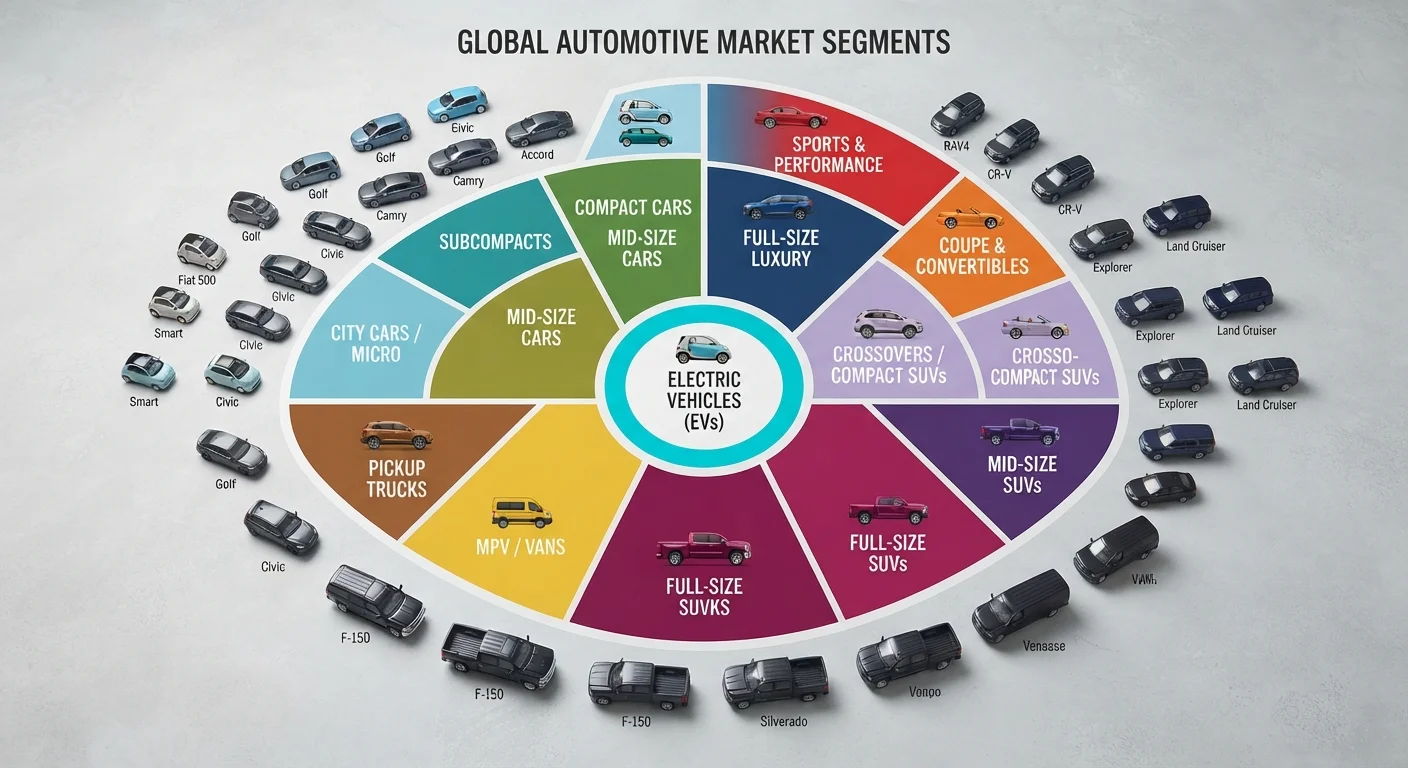
Breaks down compact, midsize, luxury, and other market segments.
Updated daily · 16 stories
By Car Types Explained Editorial Team · 6 min read
Wheelbase, interior volume, and cargo space all feed into segment labels. Here's how those measurements translate into r…
The SUV market spans four distinct size classes. Learn what defines each one and how to identify which segment genuinely…
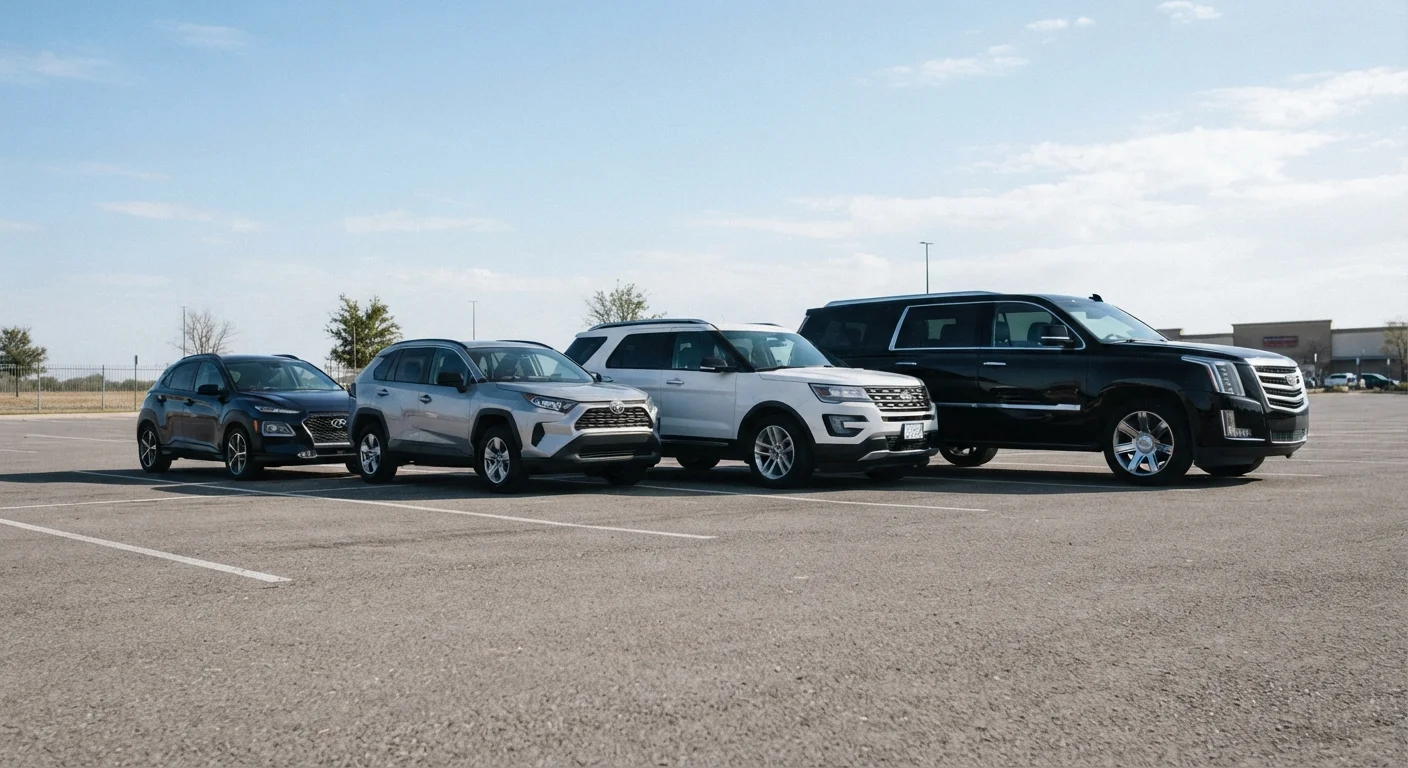
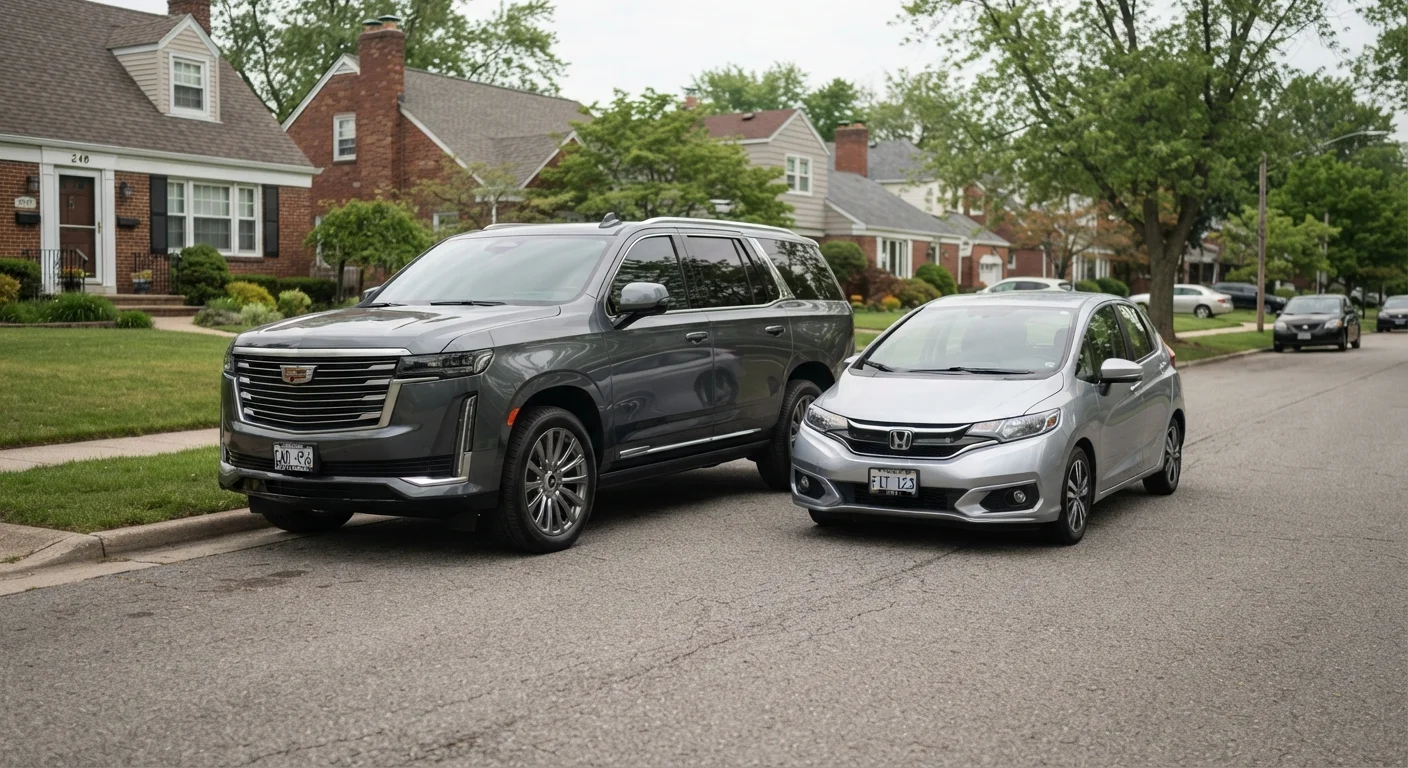
Vehicles keep growing. Compact cars are now the size of yesterday's midsize, and midsize SUVs have ballooned into near-f…
Knowing which segment fits your lifestyle lets you filter thousands of options down to a manageable shortlist. A practic…
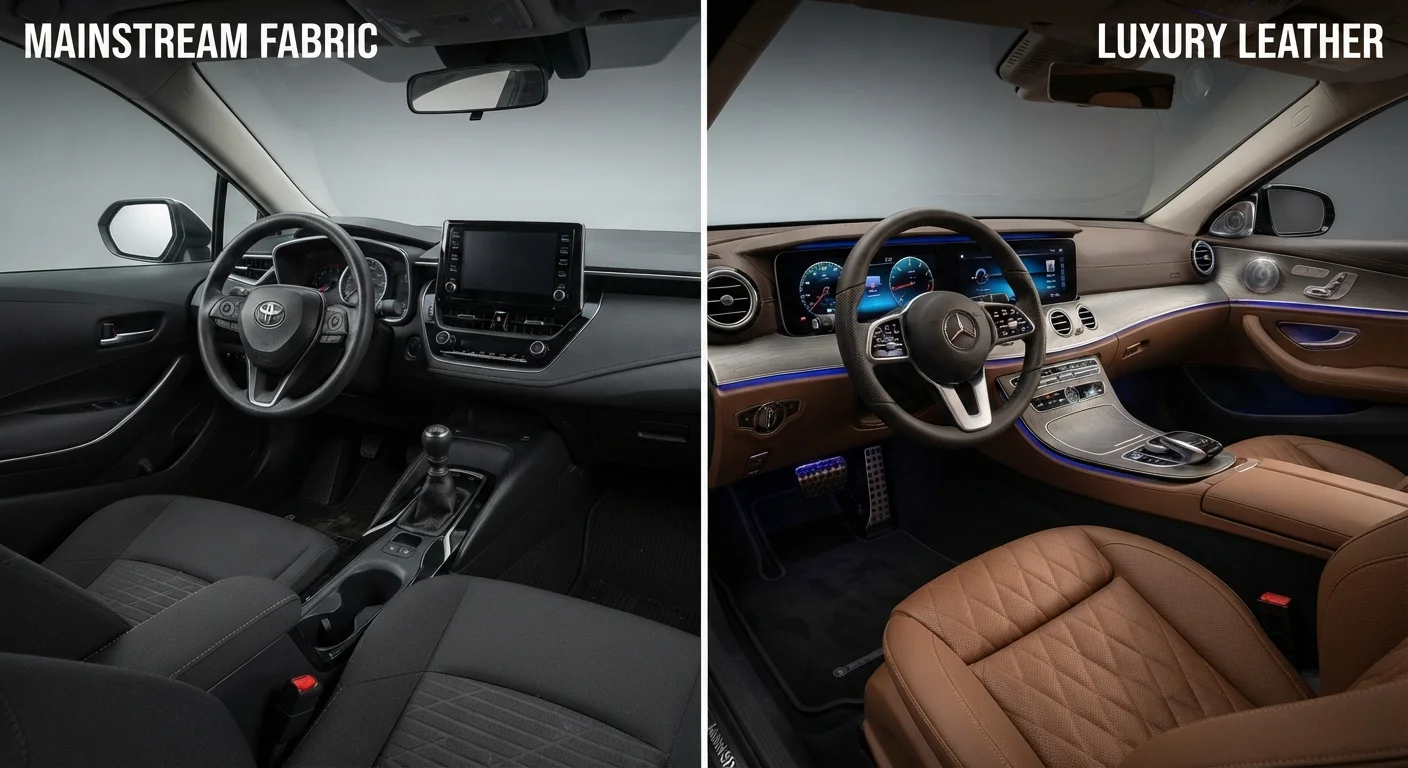
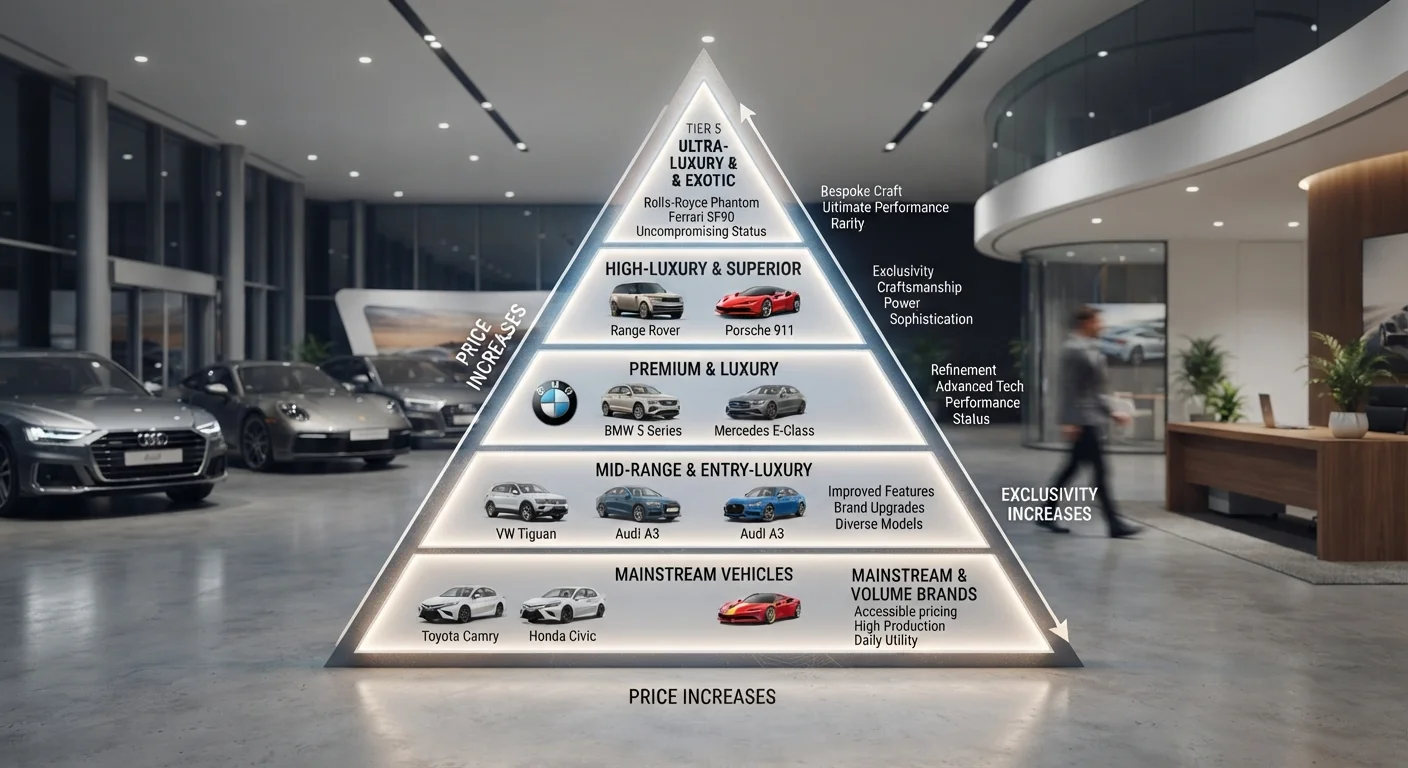
Price alone doesn't explain the gap between mainstream and luxury segments. Explore what engineering, materials, and bra…
Gran coupes, shooting brakes, and lifestyle pickups occupy corners of the market that don't fit standard labels. Here's …
Assuming a 'midsize' label guarantees enough back-seat room or cargo space is one of the most common car-shopping errors…
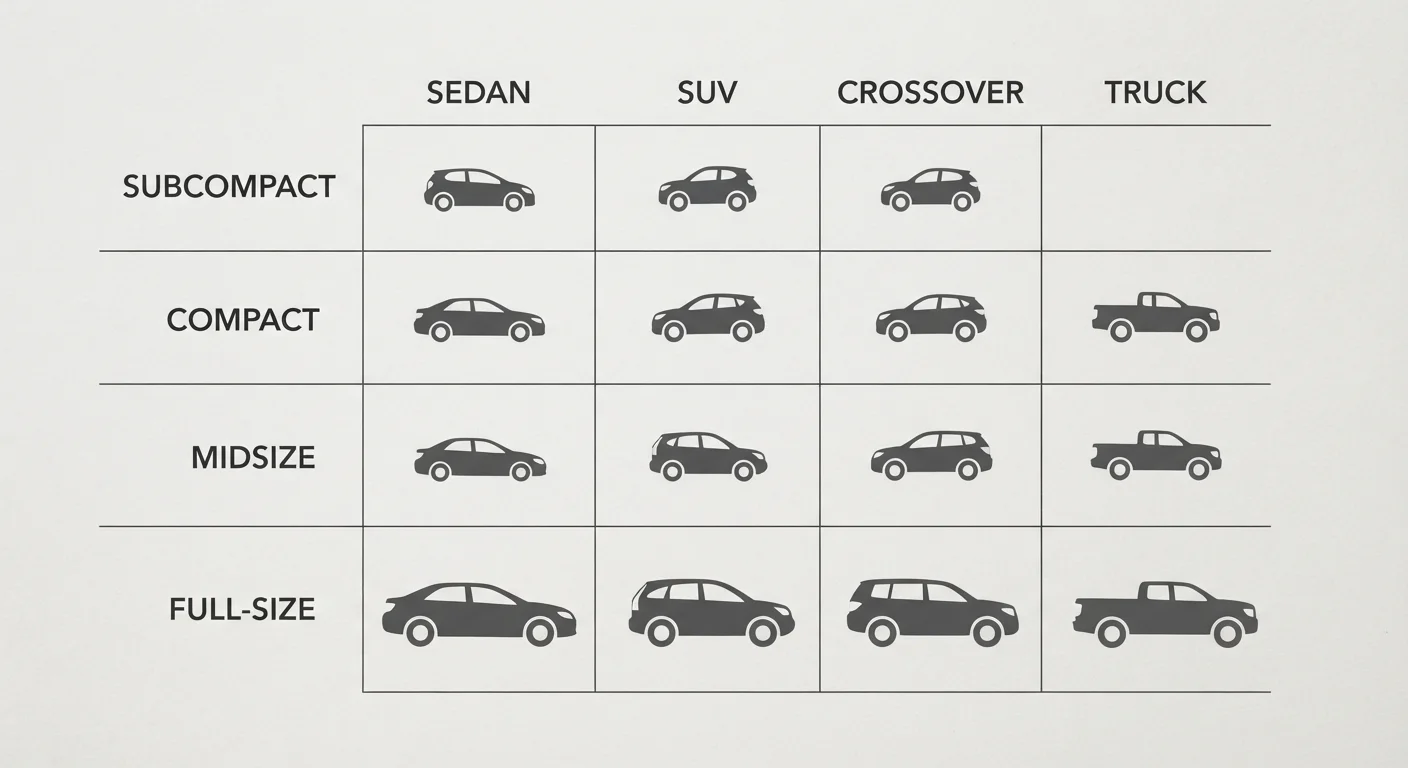
A crossover isn't a segment — it's a body style. And a compact isn't a body style — it's a size class. Untangle the two …
From subcompact to full-size, learn how automakers and regulators classify vehicles by size — and why those labels matte…
Stepping up to the largest trim or configuration within a segment can feel like a smart upgrade — but there are real tra…
Not all pickups are the same size. Compare mid-size and full-size truck segments across payload, towing, cab options, an…
The van category is more varied than it looks. Understand how minivans, cargo vans, and full-size passenger vans differ …
A concise lookup resource covering every major vehicle segment — definitions, typical dimensions, and what kinds of buye…
Industry segment definitions don't always match what shoppers picture. Clear up the most persistent misconceptions about…
Luxury is a tier, not a body style. Understand how entry-level, mid-luxury, and ultra-luxury segments are defined and wh…