
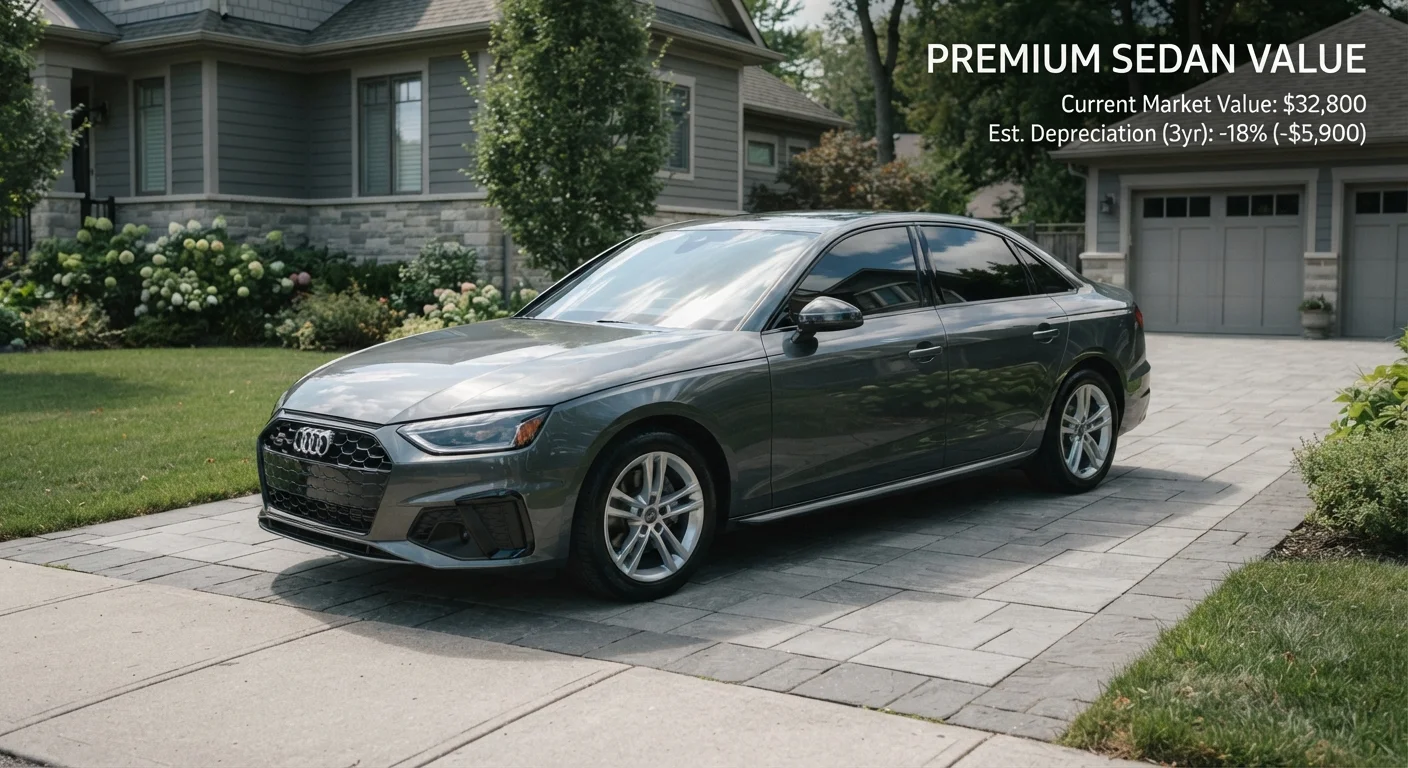
Why Resale Value Erodes Before You Think About Selling
Most owners start thinking about resale value a few weeks before listing the car. By then, the decisions that mattered most were made years earlier — at the dealership, in the driveway, and at the service counter. Depreciation is relentless across all vehicles, but the rate at which your specific car loses value is shaped substantially by choices that feel routine at the time.
Understanding depreciation curves helps frame this. A typical new vehicle loses a meaningful portion of its value in the first year alone, then continues declining at a slower pace. But that curve isn't fixed — ownership behavior can steepen it. Buyers in the used market are experienced skeptics. They discount for uncertainty, and anything that signals unknown risk gets priced in against you.
The mistakes below are common precisely because they don't feel like mistakes while you're making them. See our long-game approach to protecting resale value for the broader ownership habits worth building from day one.
Letting service records lapse or go undocumented.
Why it happens: Owners often handle basic maintenance themselves or use independent shops without requesting written records, assuming the car's condition will speak for itself.
Installing aftermarket modifications that can't be cleanly reversed.
Why it happens: Personalization is natural, and many modifications seem like genuine improvements — better speakers, performance exhaust, lowered suspension. Owners assume buyers will share their preferences.
Neglecting cosmetic maintenance alongside mechanical upkeep.
Why it happens: A car that runs well feels fine, so small cosmetic issues — paint chips, worn interior surfaces, cracked trim — get deprioritized. Owners normalize them over time.
Choosing an unusual or low-demand color or trim configuration at purchase.
Why it happens: At purchase, buyers naturally focus on personal preference. The resale implications of a polarizing color or an over-optioned trim level aren't front of mind.
Accumulating high annual mileage without adjusting resale expectations or timeline.
Why it happens: Owners with long commutes often underestimate how quickly mileage thresholds affect pricing. They plan to sell "before it gets too high" but miss the window.
The Decisions That Do the Most Damage
Beyond the individual mistakes above, a pattern emerges: resale damage tends to compound. One missed service record is a yellow flag; three is a red one. A non-factory audio install in an otherwise stock car is a curiosity; a lifted suspension, tinted windows, and custom exhaust on a family sedan tells buyers this vehicle lived a different life than the odometer alone suggests.
Trade-In Appraisers Are Trained to Find Problems
Dealer appraisers evaluate hundreds of vehicles and are skilled at identifying deferred maintenance, prior modifications, and cosmetic shortcuts. Issues you've normalized over years of ownership will be spotted quickly and priced into their offer. Preparing documentation and addressing visible concerns before any appraisal puts you in a stronger position.
Mileage thresholds matter more than many owners realize. Used car pricing often resets at 30,000, 60,000, and 100,000 miles — not because something mechanically changes, but because buyer psychology and financing eligibility shift. Consistently driving 18,000–20,000 miles per year will push your vehicle through those thresholds faster, compressing both the timeline and the price you can expect.
~20%
Typical first-year depreciation on a new vehicle
Industry data consistently shows new vehicles lose roughly 15–20% of their value in the first year, with the rate slowing thereafter.
100K miles
Key mileage threshold affecting buyer psychology
Used car pricing and buyer demand often shift materially once a vehicle crosses 100,000 miles, affecting financing eligibility and perceived risk.
Color is another underappreciated factor. Mainstream neutral colors — white, black, silver, gray — consistently attract broader demand in the resale market. Unusual or polarizing colors narrow your buyer pool at resale, and a smaller pool means less negotiating leverage. This doesn't mean avoiding color entirely, but it's worth weighing at purchase. For a fuller picture of how spec-level and color decisions ripple through resale pricing, the factors that quietly erode a used car's value covers this in depth.
Finally, if you're weighing whether value retention justifies paying more upfront for a vehicle with a strong depreciation track record, the trade-offs of buying for depreciation resistance lays out both sides honestly.
This article is for general informational purposes only and does not constitute financial, legal, or professional advice. Resale values vary significantly by market, vehicle condition, region, and timing. Consult a qualified professional for guidance specific to your situation.