
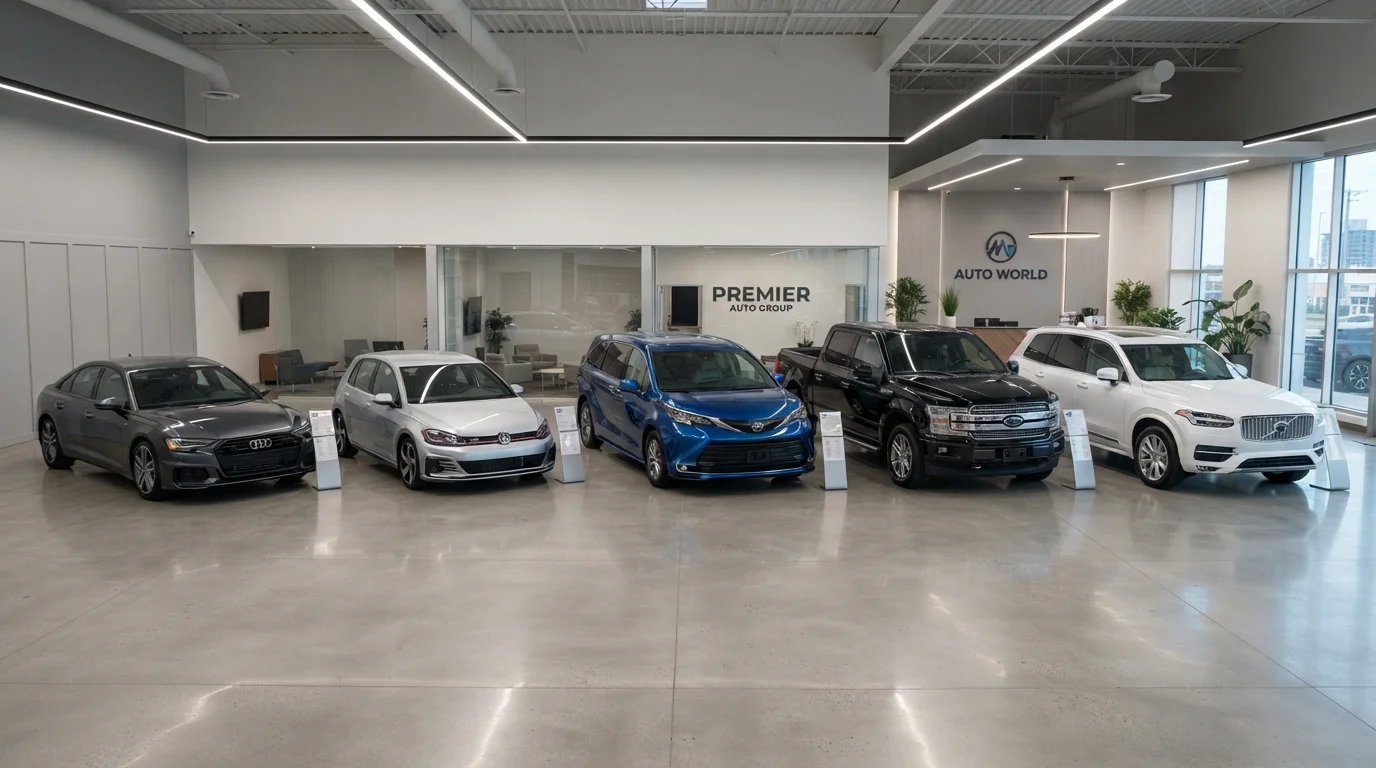
Why Body Style Is the First Decision to Make
When most buyers start car shopping, they gravitate toward brand names, price ranges, or color options. But the single most consequential choice is one that often gets skipped: body style. Body style — the physical shape and structural configuration of a vehicle — dictates nearly every practical aspect of ownership. How many people fit comfortably? How much cargo slides in the back? How easily does it park in a tight garage? Does it clear the unpaved road to your weekend cabin?
Choosing the wrong body style doesn't just cause inconvenience; it can mean a five-year commitment to a vehicle that fights your daily routine. A sports coupe is exhilarating until you're wrestling a bicycle into a two-door trunk. A full-size pickup is capable until you're navigating an urban parking structure every morning.
This guide walks you through every major body style — what defines it structurally, who benefits most from it, and what compromises come attached. If you want to see how your typical week should shape this choice, start with your routine first.
Start With Use Cases, Not Aesthetics
List your three most frequent vehicle uses — commuting, school runs, weekend trips — before you research a single model. Body style choices made around aesthetics first often result in buyers trading vehicles within two years. Practical use cases should anchor the decision.
A Quick Map of the Major Body Styles
The US market offers more body style variations than ever. Here is how the main categories break down:
- Sedan: A three-box design (engine, passenger cabin, trunk) with a fixed roof and separate enclosed trunk. Generally seats four to five. Prioritizes interior refinement and fuel efficiency over cargo flexibility.
- Hatchback: Similar to a sedan but the roofline extends to a rear liftgate, integrating the cargo area with the cabin. More versatile cargo access without sacrificing too much space efficiency.
- SUV (Sport Utility Vehicle): A taller, boxier body with elevated ride height and generous passenger and cargo space. Ranges from compact crossovers to full-size, truck-based models. Available in two- and four-wheel drive configurations.
- Crossover (CUV): Built on a car-like unibody platform rather than a truck frame, offering SUV-like height and cargo room with more carlike handling and fuel economy. The most popular segment in the US today.
- Pickup Truck: An open cargo bed behind a closed cab. Configurations vary by cab size (regular, extended, crew) and bed length. Unmatched for hauling and towing but large footprints require planning.
- Minivan: A tall, sliding-door van optimized for passenger transport. Typically seats seven to eight with flexible interior configurations. Outperforms SUVs on per-passenger space and ease of entry.
- Coupe: A two-door body with a sloping roofline. Emphasizes style and driver engagement over practicality. Rear-seat access is limited.
- Convertible: A coupe or sedan with a retractable roof — soft or hard top. Adds open-air enjoyment but reduces structural rigidity and cargo space.
- Wagon: A sedan with an extended roofline over a larger cargo area and a liftgate. Offers sedan-like driving dynamics with near-SUV practicality — an underappreciated segment in the US market.
For a deeper look at how each of these translates to real driving life, see our guide to what sets each body style apart.
~50%
US new vehicle sales that are crossovers or SUVs
Crossovers and SUVs have consistently represented roughly half of all new vehicle sales in the US in recent model years, according to industry sales tracking data.
7–8
Passenger capacity in a typical minivan
Most minivans on the US market offer seating for seven to eight occupants with flexible second- and third-row configurations.
3
Cab configurations available on most pickup trucks
Regular cab, extended cab (or double cab), and crew cab are the standard configurations offered by major pickup truck lines in the US market.
Matching Body Style to Your Daily Life
The most reliable approach is to audit your actual week before browsing a lot. Consider these common lifestyle profiles:
- Urban commuters with limited parking
- Compact hatchbacks and sedans reward city drivers. Shorter overall length simplifies parallel parking; hatchbacks add cargo flexibility for groceries or gym bags.
- Families with young children
- Minivans consistently offer the most practical solution — low step-in height, sliding doors that open safely in tight spaces, and flat-floor seating configurations for car seats. Three-row SUVs and crossovers are a close alternative if open cargo space is also needed.
- Buyers who tow or haul regularly
- Pickup trucks are purpose-built for this. No other body style matches their payload and tow-rating ceiling. Cab and bed configurations should be chosen based on whether passengers or cargo take priority.
- Drivers who split city and highway miles
- Crossovers and wagons offer a compelling balance — comfortable on the highway, manageable in traffic, with enough cargo volume for weekend loads.
- Enthusiasts who prioritize driving feel
- Coupes and sport sedans keep the driver closest to the road. Lower center of gravity and stiffer structures translate to sharper handling, though practicality takes a back seat.
Work through a structured checklist of personal-use questions to pinpoint which category genuinely fits your situation before stepping into a showroom.
Before finalizing a body style, load it with everything you'd normally carry — stroller, sports gear, grocery bags — during a test drive. A cargo bay that looks spacious on paper can feel cramped once real-world items are involved.
Cargo dimensions in manufacturer specs describe maximum volume, but usable shape and liftover height vary significantly and are only apparent with hands-on evaluation.
If you share a vehicle with a partner or family member who has a different driving profile, let the person with the most demanding daily use drive the deciding test.
Shared vehicles tend to be sized up to the heavier use case. A commuter's preference will get overridden on the one Saturday each month when you need to move furniture.
Trade-Offs Every Buyer Should Weigh
Every body style involves real compromises. Understanding them up front prevents disappointment after purchase.
Ride Height Affects More Than Just Visibility
A higher ride height makes entry and exit easier for many adults but can make it harder for children or older passengers to climb in unaided. It also raises the vehicle's center of gravity, which influences stability in emergency maneuvers. Consider all passengers — not just the primary driver — when evaluating ride height as part of body style selection.
| Body Style | Key Strength | Primary Trade-Off |
|---|---|---|
| Sedan | Efficiency, refinement | Limited cargo flexibility |
| Hatchback | Cargo versatility | Less trunk privacy |
| Crossover / SUV | Space, ride height | Higher fuel consumption vs. sedan |
| Pickup Truck | Hauling and towing | Large footprint, lower fuel economy |
| Minivan | Passenger comfort | Styling, driving dynamics |
| Coupe | Driving engagement | Rear access, cargo limits |
| Wagon | Practicality + dynamics | Limited US market availability |
| Convertible | Open-air experience | Reduced rigidity, higher cost |
Ride height deserves special attention. Taller vehicles — SUVs, trucks, and minivans — provide better sightlines in traffic and easier entry for many drivers. However, they also carry a higher center of gravity, which affects cornering behavior. Sedans and wagons sit lower, delivering better stability in aggressive maneuvers at the cost of some visibility in dense traffic.
Fuel economy varies significantly across body styles, though it is also shaped by powertrain, size, and weight. As a general pattern, sedans and compact hatchbacks tend toward greater efficiency, while larger SUVs, trucks, and minivans consume more. Crossovers occupy a middle position. Hybrid and electric powertrains are now available across most body styles, which can close some of these efficiency gaps — but body style still influences how aerodynamically efficient a vehicle can be.
Terminology You'll Encounter on the Lot
Automotive body style language can trip up buyers at the moment of decision. A few key terms:
- Liftback / Fastback: A hatchback variant where the roofline slopes continuously into the rear hatch. Fastback emphasizes the aerodynamic, sloping profile.
- Notchback: A sedan with a pronounced step between the trunk lid and rear window — the classic three-box silhouette.
- Unibody: A construction method where the body and frame are a single integrated structure. Most passenger cars and crossovers use this. Offers a smoother ride and better fuel economy.
- Body-on-frame: A separate frame underneath the body. Traditional for trucks and full-size SUVs. Stronger for towing and off-road use but rides differently than unibody vehicles.
- Crew Cab / Extended Cab / Regular Cab: Pickup truck cab configurations that describe rear-door and rear-seat availability. Crew cabs offer four full doors and rear-seat legroom; regular cabs prioritize bed length over interior space.
- Three-row SUV: An SUV with a third row of seating, expanding capacity to seven or eight passengers. Cargo space behind the third row is often minimal.
A full reference covering automotive body style terminology — including less common terms like phaeton, targa, and shooting brake — is available in our body style terminology guide. Understanding these terms helps you evaluate listings and window stickers accurately, rather than relying solely on a salesperson's description.
Your Next Step Toward the Right Vehicle
Body style is your framework — everything else (powertrain, trim level, features) is built on top of it. Getting this foundational choice right means the rest of the buying process becomes clearer and faster.
If you are still early in the process, our vehicle segments reference guide provides a complete lookup of how body styles subdivide into size-based segments — from subcompact to full-size — so you can map your needs to specific market options. Buyers weighing whether to purchase new or used will find relevant context in the new vs. used car trade-offs hub, since body style availability can differ between new inventory and the used market.
Ultimately, the right body style is the one that fits what you actually do — not the one that looks most appealing in a photo. Take the practical questions seriously, work through the trade-offs honestly, and you'll walk into a dealership with a clear target rather than a vague wish list.
Body Style Availability Varies in Used Markets
Some body styles — particularly wagons and certain convertibles — have limited new-vehicle availability in the US but may appear more frequently in the used market. If a specific shape appeals to you, expanding your search to certified pre-owned or used inventory can broaden your options considerably. This is general information; consult a licensed financial adviser before making financing decisions.