
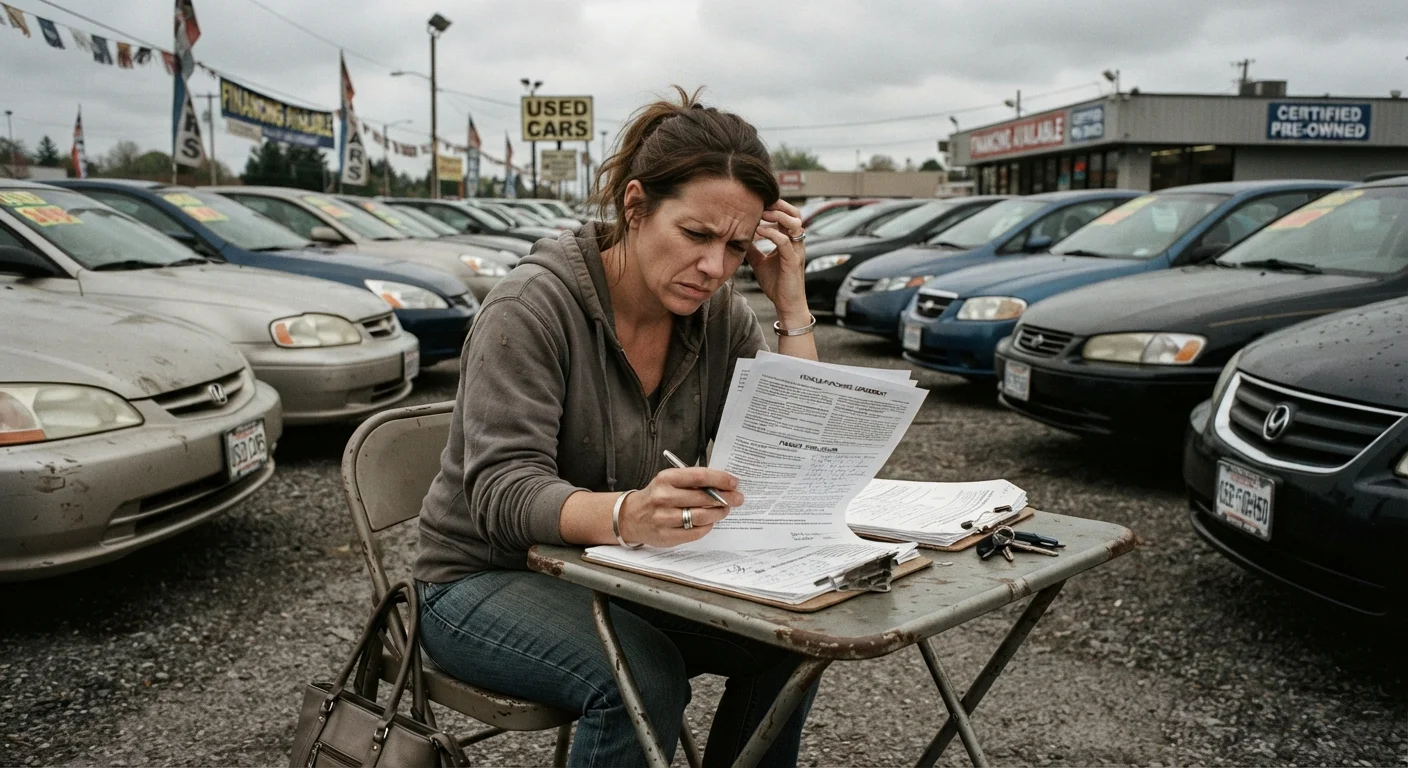
The Research Gap Most Buyers Don't Realize They Have
Most used car buyers arrive at the lot knowing the model they want but not what it's actually worth. That gap is expensive. Pricing a used vehicle requires checking multiple sources — tools like Kelley Blue Book, Edmunds, and published auction data — because no single tool captures the full picture. Regional supply, trim variations, and mileage bands all shift the real market value significantly.
Buyers who rely on the seller's asking price as a baseline are already negotiating from a disadvantaged position. The ask is set to allow room for negotiation; if you accept it as the anchor, you've handed leverage to the other side before the conversation starts. Spend time understanding what comparable vehicles in your area have actually sold for — not just listed for — before you approach any seller.
For a broader view of where used car decisions go wrong, this breakdown of repeated buyer mistakes covers related traps worth reading alongside this guide.
Letting emotional attachment to a specific car drive the negotiation.
Why it happens: Buyers often narrow their search to one vehicle before researching alternatives, creating a psychological sunk cost that makes walking away feel like a loss.
Skipping the independent pre-purchase inspection to save time or money.
Why it happens: The car looks clean, the seller seems trustworthy, and paying for an inspection on a car you might not buy feels wasteful.
Treating a vehicle history report as a substitute for a physical inspection.
Why it happens: Reports from services like Carfax or AutoCheck are easy to obtain and feel authoritative, leading buyers to over-rely on them.
Accepting dealer financing without comparing outside offers first.
Why it happens: Dealership financing is convenient and often presented as the natural next step after agreeing on a price, so buyers default to it without shopping rates.
Focusing on monthly payment instead of total vehicle cost.
Why it happens: Monthly payments are easier to compare to current expenses, so buyers anchor to them rather than the full price and interest paid over the loan term.
Ignoring likely ownership costs beyond the purchase price.
Why it happens: Buyers focus on closing the deal and don't factor in insurance rates, fuel economy, or the maintenance profile of older, higher-mileage vehicles.
Financing, Fees, and the Costs That Hide in Plain Sight
The purchase price is only part of what you'll pay. Dealer financing often carries a markup above the rate the lender actually approved — a legal practice sometimes called the dealer reserve — that can add hundreds of dollars in interest over the loan term. Getting pre-approved through a bank or credit union before visiting any dealer removes this vulnerability. You walk in knowing your rate ceiling, which changes the conversation entirely.
Fees also accumulate quickly on used vehicles. Documentation fees, certification add-ons, and extended warranty upsells are commonly presented as standard line items, but many are negotiable or optional. Ask for an itemized breakdown before signing anything, and scrutinize each line. If the total price climbs significantly above the agreed vehicle price, ask specifically what each fee covers.
~$1,000+
Potential interest overpayment from dealer financing markup
Consumer advocacy research has consistently found that dealer financing markups — where legally permitted — can add substantial interest costs over a standard loan term compared to direct lender rates.
1 in 4
Used vehicles with undisclosed prior damage
Industry estimates suggest a significant share of used vehicles on the market have damage history that does not appear on vehicle history reports, underscoring the value of independent inspections.
It's also worth comparing what you'd gain or give up with a new vehicle purchase. The buying new cars guide lays out the full trade-off, and overpaying patterns in new car purchases shows the financing and fee traps that exist on that side of the market too.
Extended Warranties Sold at Closing Are Often Overpriced
Extended service contracts offered in the finance office at the end of a deal are frequently marked up significantly. Coverage terms, exclusions, and deductibles vary widely. If you want an extended warranty, research third-party options independently and compare them carefully — don't agree to one under time pressure at the point of sale.
Buyers weighing the full new-versus-used picture should also review common reasoning errors in the new vs used decision, which addresses how buyers misjudge total cost across both options. And if you're heading to a dealership, dealership overpayment patterns explains the structural dynamics that cost buyers money before a single number is discussed.
This article provides general educational information about the used car buying process. It is not personalized financial or legal advice. For guidance specific to your financial situation, consult a qualified financial adviser.