
What the Odometer Actually Measures
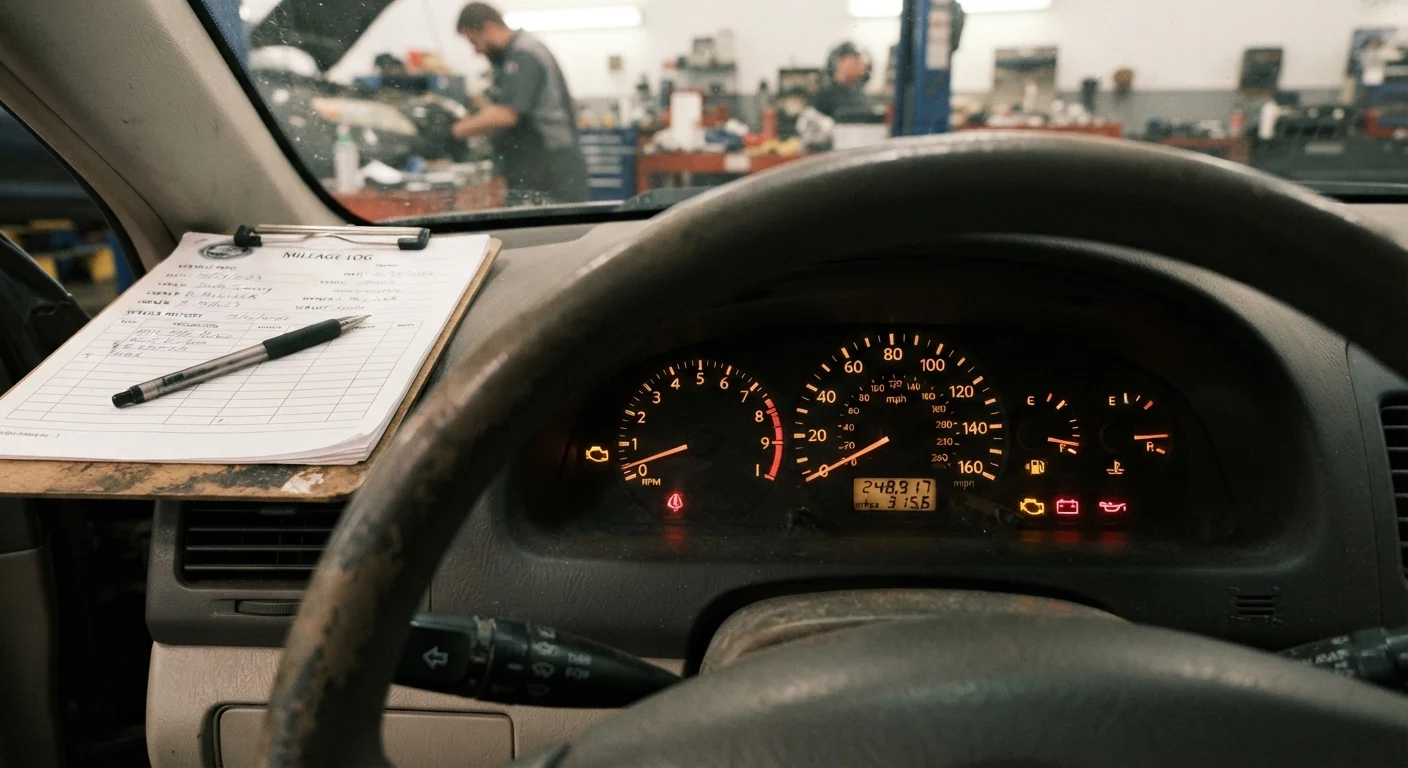
An odometer measures cumulative distance traveled — nothing more. It does not record how hard the engine worked, whether oil changes were timely, or whether the car spent its life on open freeways or congested city streets. That distinction matters enormously when assessing what high or low mileage actually signals about a vehicle's condition.
Two cars with identical odometer readings can have vastly different remaining service lives depending on how those miles were accumulated. A 90,000-mile vehicle used mainly for highway commuting may have experienced far less mechanical stress than a 60,000-mile vehicle used for daily urban stop-and-go driving or frequent short trips that prevent the engine from reaching full operating temperature.
Understanding mileage as context — rather than as a verdict — is the starting point for any informed used car evaluation. For a deeper look at how mileage compares to age as a reliability signal, see Mileage Myths: Why Odometer Readings Mislead So Many Buyers.
Odometer Fraud Is a Real Risk
Odometer tampering — rolling back or altering a vehicle's mileage reading — is illegal under federal law in the United States but does still occur. A vehicle history report can reveal discrepancies between recorded odometer readings at different service intervals. Significant inconsistencies between reported mileage and physical wear are a serious warning sign that warrants independent investigation before purchase.
How Driving Patterns Shape Wear
The type of driving a vehicle has done is a critical reliability factor that the odometer cannot communicate directly. Highway miles — sustained speeds with minimal braking and acceleration — are generally far less wear-intensive than city miles. Short trips are particularly hard on engines because the vehicle never fully warms up, leading to incomplete combustion and accelerated wear on cylinder walls and oil.
Towing, carrying heavy loads, or operating in extreme climates also accelerates wear beyond what mileage alone suggests. When evaluating a used vehicle, asking the seller about primary use — commuting, road trips, towing — provides useful context even before reviewing records.
~15,000
Average miles driven per year in the US
The Federal Highway Administration estimates that the average American driver covers approximately 14,000–15,000 miles annually, providing a useful benchmark for assessing whether a vehicle's mileage is high, low, or typical for its age.
200,000+
Miles modern engines can last with proper care
Automotive engineering advances and improved lubricants mean many current engines are designed and tested to last well beyond 150,000 miles when manufacturer maintenance schedules are followed consistently.
Service History: The Reliability Evidence That Matters Most
Maintenance records are often a more reliable predictor of long-term reliability than the odometer reading itself. A vehicle with 120,000 miles and a complete, documented service history — regular oil changes, fluid replacements, and timely component servicing — may be in better mechanical shape than a 70,000-mile vehicle with no paperwork trail.
Key items to look for in service history include oil change intervals, transmission fluid service, coolant flushes, timing belt or chain replacements (where applicable), and brake system maintenance. Gaps in documentation are a flag — not necessarily a disqualifier, but a prompt to ask questions and potentially negotiate the price to account for unknown maintenance costs.
For a practical guide to reading service records, see Evaluating a Used Car's Maintenance History Like a Pro.
Ask for the Full Paper Trail
When reviewing a used vehicle, request all physical receipts and dealer service printouts — not just a vehicle history report summary. Dealer and independent shop records often contain detail about parts replaced and technician observations that online reports do not capture. This documentation can also support price negotiation if gaps exist.
Mileage in Context: Age, Condition, and the Full Picture
Neither mileage nor age alone tells the complete reliability story — they work together. A five-year-old vehicle with 80,000 miles has been driven at roughly the national average and likely experienced normal wear progression. A ten-year-old vehicle with the same mileage has aged rubber seals, hoses, and other time-sensitive components regardless of how carefully it was driven.
Physical condition inspection remains essential. Worn pedal rubbers, heavily bolstered seat surfaces, and paint wear inconsistent with claimed mileage can indicate higher use than the odometer records. A pre-purchase inspection by a qualified, independent mechanic is the most reliable way to assess actual vehicle condition — no odometer reading substitutes for that evaluation.
Age vs Mileage: Which Matters More When Evaluating a Used Car explores how these two factors interact in detail. And once you're ready to evaluate listings, Reading a Used Car Listing: The Details That Actually Matter explains which data points are genuinely informative.