
Why You Don't Need to Be a Mechanic
Most car owners assume staying on top of maintenance requires some level of mechanical fluency. It doesn't. What it requires is a basic system: know what needs doing, roughly when, and who to call when something's due or wrong.
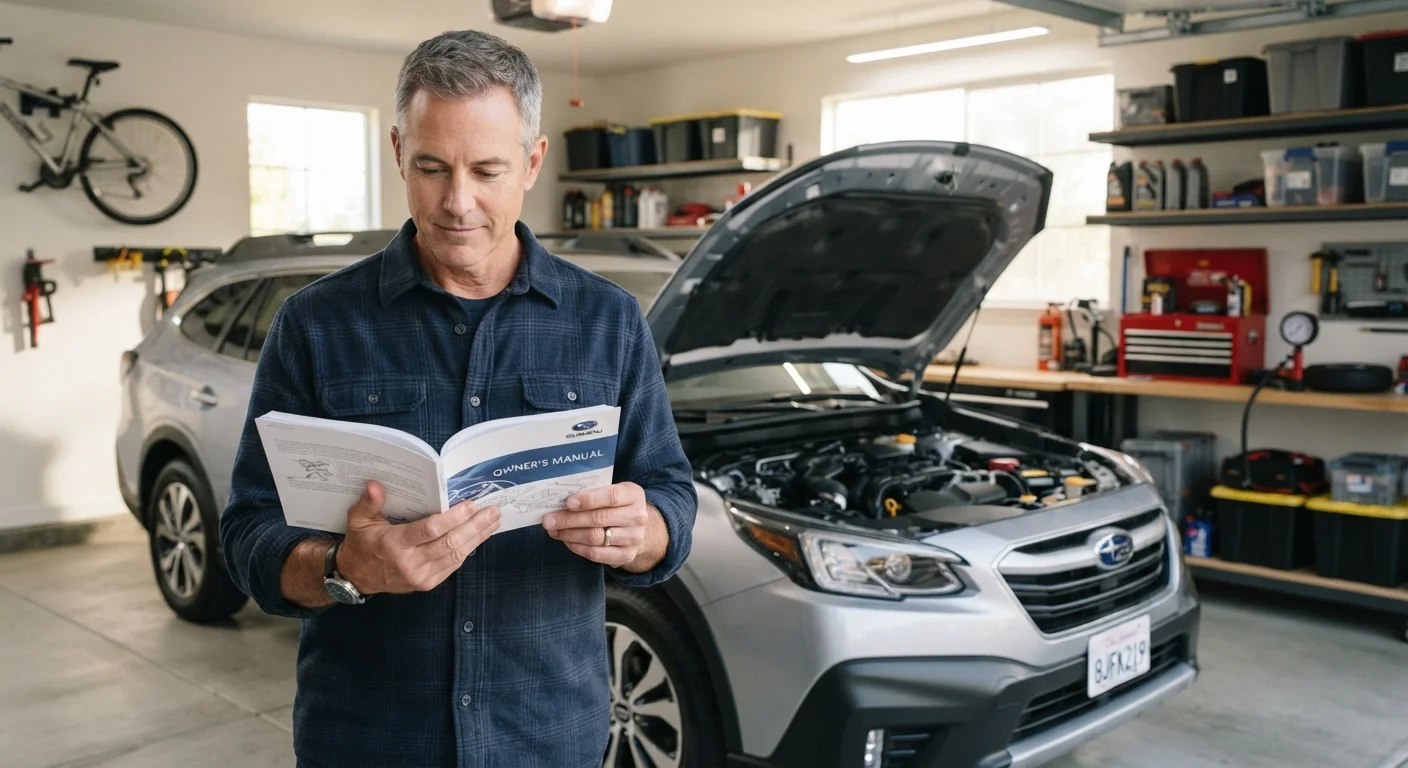
The good news is that manufacturers have already done most of the planning for you. Your vehicle's owner's manual contains a service schedule that specifies intervals for oil changes, filter replacements, fluid checks, and more — tailored to your exact engine and drivetrain. Following that schedule is the closest thing to a foolproof maintenance strategy an everyday owner has. For a clear sense of what those timelines look like in practice, see our typical car maintenance schedule from year one to year ten.
The practices below aren't about doing the work yourself. They're about knowing enough to stay organized, catch problems early, and avoid the unnecessary costs that come from deferred attention.
Six Practices That Keep Maintenance Manageable
These habits require no tools and minimal time — but they have an outsized effect on long-term ownership costs.
Read the maintenance schedule in your owner's manual and set calendar reminders for each interval.
Manufacturer service intervals are engineered for your specific vehicle and carry warranty implications if ignored. A calendar reminder costs nothing and eliminates the most common reason maintenance gets deferred — forgetting. See how manufacturer service intervals work for more on what these schedules actually cover.
Check tire pressure once a month and before any long trip.
Tires lose pressure gradually — as much as 1 PSI per month under normal conditions — and underinflated tires wear unevenly, reduce fuel economy, and increase blowout risk. Correct pressure is printed on a sticker inside the driver's door jamb, not on the tire itself.
Never ignore a dashboard warning light for more than a day or two.
Warning lights are early-intervention tools. Ignoring them doesn't make the underlying issue go away — it typically makes it worse and more expensive. A $20 sensor reading at an auto parts store (often free) can tell you whether a light signals something urgent or minor.
Prioritize oil changes consistently — don't let them slide.
Engine oil degrades over time and mileage, losing its ability to lubricate and cool internal components. Deferred oil changes are one of the most common causes of avoidable engine damage. The cost of an oil change is a small fraction of the cost of the problems it prevents. Our article on why skipping an oil change costs far more explains the mechanism in plain terms.
Listen and look for changes in how your car sounds, handles, or responds.
You drive your car regularly, which means you're well-positioned to notice when something changes. Squealing during braking, vibration at highway speed, or sluggish acceleration are all early signals worth raising with a mechanic before they escalate.
Building the Financial Side of Maintenance Into Your Budget
Maintenance surprises hurt because they're unplanned, not because they're inherently expensive. The average US driver pays somewhere in the range of $500–$900 per year on routine maintenance for a typical passenger vehicle, though this varies significantly by vehicle type, age, and mileage. The key word is average — costs cluster in certain years and around specific components.
$500–$900
Typical annual routine maintenance cost for a passenger car
Based on widely cited industry estimates for average US drivers covering standard servicing; actual costs vary by vehicle age, type, and annual mileage.
~$1,200
Average unexpected repair bill US drivers face
Survey data from consumer financial research consistently shows a large share of US households would struggle to cover an unexpected car repair of this size without borrowing.
Planning ahead means recognizing that tires, brakes, and the battery are the three consumables most likely to catch you off guard. Our guide on planning for tires, brakes, and batteries breaks down typical lifespans and replacement costs so you can set money aside before these expenses arrive.
For a full framework on estimating annual upkeep and building a repair reserve, the car maintenance budget guide walks through the approach step by step. This is general financial information — your actual costs will depend on your vehicle, location, and usage patterns.
Working Effectively With a Mechanic
You don't need to understand what a mechanic is doing — but you do need to communicate clearly and maintain enough of a record to hold the relationship accountable.
Ask for the Written Estimate First
Before authorizing any repair beyond routine service, ask the shop for a written estimate that itemizes parts and labor separately. This gives you something concrete to compare if you seek a second opinion, and it prevents misunderstandings about scope. Reputable shops expect this request and will provide it without hesitation.
Keep a simple log: date, mileage, service performed, and cost. A notes app or a basic spreadsheet works fine. This record protects you in two ways. First, it helps you avoid duplicate services — some shops may recommend work that was done recently elsewhere. Second, it supports your vehicle's resale value; a documented service history is a meaningful asset when selling privately.
When a mechanic flags something beyond routine service, ask for a written estimate and clarify whether it's urgent or can wait. Getting a second opinion on large repairs is entirely reasonable and widely accepted. And if you're unsure whether a recommendation is actually necessary, our maintenance myths article can help you separate evidence-based advice from upsells.
This article provides general information about vehicle maintenance habits and cost planning. It is not a substitute for advice from a qualified mechanic about your specific vehicle's condition. Always consult a licensed professional for diagnosis and repair decisions.