
What Oil Actually Does — and What Happens When It Fails
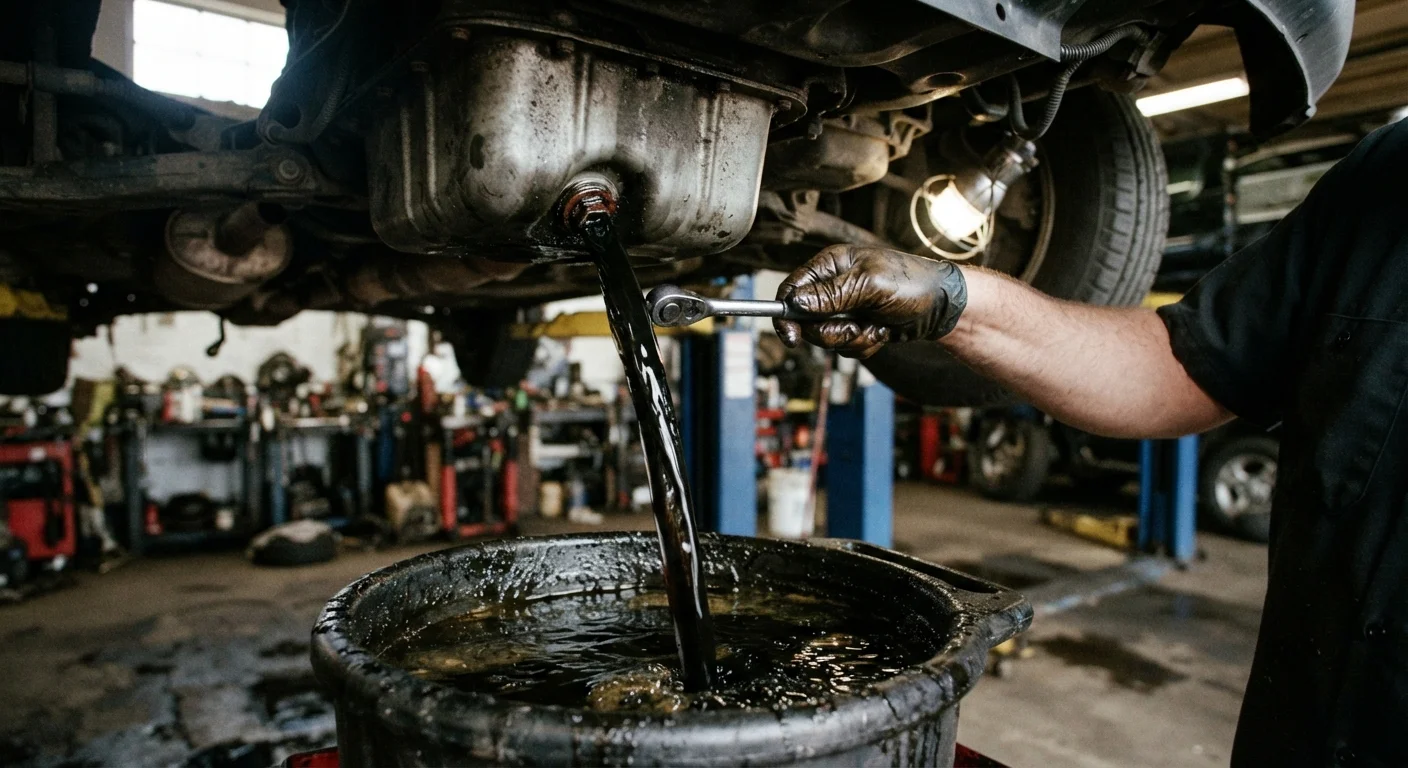
Engine oil performs several jobs simultaneously: it lubricates metal-on-metal surfaces, carries heat away from the combustion zone, suspends microscopic contaminants, and prevents corrosion. Fresh oil handles all of these well. Old oil does not.
As oil ages, its additive package breaks down, its viscosity changes, and it accumulates combustion byproducts, metal particles, and moisture. At a certain point it stops protecting and starts contributing to wear. Internals like camshafts, crankshaft bearings, and piston rings are particularly vulnerable — these are precision components with tight tolerances that depend on a consistent oil film to function without contact friction.
The financial stakes are direct: a routine oil change typically runs $50–$120 depending on oil type and vehicle. A camshaft replacement or engine bearing failure can cost several thousand dollars in parts and labor alone. That's not a scare tactic — it's the actual repair bill range mechanics see when neglected lubrication causes component failure.
Waiting for a warning light before scheduling an oil change.
Why it happens: Most drivers associate warning lights with urgency — if no light is on, everything must be fine. The oil pressure warning light, however, signals a crisis already in progress, not a maintenance reminder.
Using the wrong oil type or viscosity for the vehicle and climate.
Why it happens: Many owners assume any oil labeled "motor oil" is interchangeable, or they default to whatever the quick-lube shop recommends without cross-checking the manufacturer specification.
Extending intervals beyond manufacturer recommendations based on marketing claims.
Why it happens: Some oil brands advertise 10,000- or 15,000-mile change intervals, leading owners to assume this applies universally. Severe driving conditions — short trips, stop-and-go traffic, towing, extreme temperatures — degrade oil faster than normal.
Skipping oil changes while a vehicle sits unused for extended periods.
Why it happens: Owners often assume that low mileage means oil is still fresh. In reality, time-based degradation and moisture accumulation occur even when a car is parked.
The Compounding Cost of Delay
One missed oil change rarely destroys an engine outright. The damage is cumulative. Each additional mile driven on degraded oil accelerates wear, and the effects aren't always visible until significant harm is already done.
$4,000+
Typical engine repair cost from oil neglect
Mechanical repair estimates from independent shops consistently place engine bearing and sludge-related repairs in this range, far exceeding the cost of routine oil changes.
40%
Of engine wear occurs at startup
Industry engineering literature indicates that a significant share of internal engine wear happens during cold starts, when oil has drained from surfaces — making oil condition at startup especially critical.
Sludge is one of the most damaging outcomes. When oil oxidizes and breaks down fully, it forms a thick, tar-like deposit that restricts oil passages and starves critical engine components. Once sludge forms, it can be difficult or impossible to fully remove — some manufacturers have denied powertrain warranty claims specifically because evidence of oil neglect was found during inspection.
Beyond engine damage, chronically late oil changes can affect resale value. Service history is increasingly easy for buyers and dealers to verify, and a spotty maintenance record depresses a vehicle's appraised value. The costs are financial on both ends of ownership.
For a broader view of how maintenance fits into the full picture of what you'll spend, see our breakdown of true ownership costs. And if you're curious about which services are genuinely necessary versus oversold, this look at common maintenance myths is worth a read.
Warranty Coverage Can Be Voided by Oil Neglect
Powertrain warranties typically require documented proof of maintenance performed at manufacturer-specified intervals. If an engine failure occurs and the service history shows overdue oil changes, the manufacturer or dealership may deny the claim. Keep receipts or digital records of every oil change — date, mileage, oil type, and who performed the service.
Drivers making the switch to electric should note that oil changes become irrelevant — but other service items still apply. See how EV running costs differ for a realistic comparison. For everyday habits that help any owner stay current on service without mechanical know-how, this practical maintenance guide covers the essentials.
This article provides general automotive information for educational purposes only. Repair costs vary significantly by vehicle, region, and service provider. Consult a qualified mechanic for guidance specific to your vehicle's condition and service needs.