
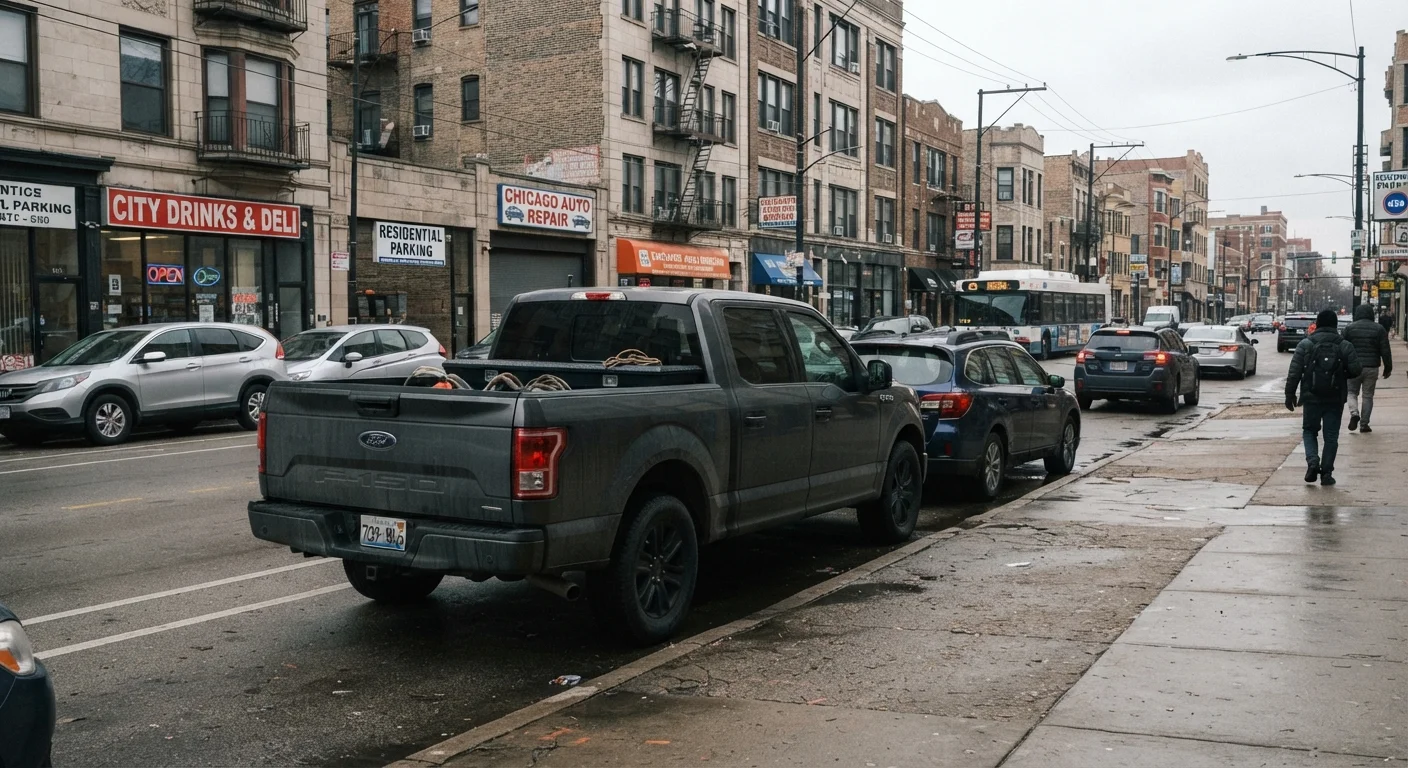
What Truck Ownership Actually Looks Like Day to Day
Pickup trucks are the best-selling vehicle segment in the United States, which tells you something about how strongly Americans value their utility — or at least their promise. But utility and daily practicality aren't the same thing. A truck's bed, which defines the category, often sits empty on most daily commutes, grocery runs, and school drop-offs.
The reality of daily truck ownership comes down to three friction points: size, fuel, and cost. Full-size trucks — think crew cab configurations with standard or long beds — are often 6.5 to 7 feet wide and exceed 22 feet in length. That dimension matters the moment you enter a multi-story parking garage, navigate a dense urban street, or attempt parallel parking. Drivers who haul material weekly can justify these constraints. Drivers who do so twice a year probably cannot.
For a more granular look at how truck segments differ in daily usability, see the mid-size vs. full-size truck breakdown.
Class-leading towing and payload capacity
Full-size trucks regularly offer tow ratings above 10,000 pounds with appropriate packages — a capability no comparably priced SUV or crossover can match.
Open bed handles cargo that won't fit inside
Lumber, landscaping materials, large furniture, and dirty or wet gear can all be transported without protecting interior surfaces — a practical advantage with no enclosed-vehicle equivalent.
Robust four-wheel drive for tough terrain and weather
Truck-spec 4WD systems and ground clearance exceeding 9 inches provide genuine capability on unpaved roads, snow, and uneven terrain that most crossovers handle poorly.
Higher seating position and road visibility
The elevated cab gives drivers a broader view of traffic and surroundings, which many owners cite as a comfort benefit during highway driving.
Strong resale value relative to many segments
Full-size trucks have historically held their value well compared to many other vehicle categories, though resale outcomes depend on mileage, condition, and market conditions.
The Real Costs: Fuel, Insurance, and Maintenance
Running costs are where daily truck ownership diverges most sharply from occasional-use ownership. EPA-estimated fuel economy for most V8-powered full-size trucks ranges from roughly 15 to 20 mpg combined, depending on configuration and driving conditions. That gap widens further for towing or carrying significant payload, where fuel consumption can drop substantially.
15–20 mpg
Typical full-size truck combined fuel economy
EPA estimates for gas-powered full-size crew cab trucks generally fall in this range under standard driving conditions, with towing reducing it further.
5,000+ lbs
Common curb weight for full-size pickups
Many crew cab full-size trucks tip the scales above 5,000 pounds before passengers or cargo, contributing to fuel use, tire wear, and braking demands.
#1
Pickup trucks' US sales rank by segment
Full-size pickup trucks have consistently led US vehicle sales by segment, reflecting both genuine utility demand and strong brand loyalty among American buyers.
Larger vehicles also tend to carry higher comprehensive and collision insurance premiums due to repair costs and the potential severity of collisions. Tire replacement costs on a truck — which typically uses load-rated LT-specification tires — run higher per tire than passenger-car equivalents. Brake wear can also accelerate under the added curb weight of a full-size platform, which commonly exceeds 5,000 pounds before any cargo.
If the daily commute involves highway miles, it's worth reading which factors should shape your powertrain decision — particularly for buyers weighing a truck's gas or diesel engine against a hybrid alternative.
Where Trucks Genuinely Earn Their Place
None of the above friction erases the legitimate strengths trucks bring to the right lifestyle. A properly spec'd full-size truck can tow between 10,000 and 14,000 pounds when equipped with the appropriate package — capability that no SUV or crossover can match at a comparable price point. For contractors, farmers, outdoor recreation enthusiasts, or anyone who regularly moves boats, trailers, or heavy equipment, that towing capacity is a real, recurring need.
Bed utility is similarly underappreciated until you need it. Carrying mulch, lumber, furniture, or gear that simply won't fit inside a closed cargo area changes the calculus entirely. A truck also allows you to load items without protecting interior surfaces — something any dog owner, hunter, or weekend landscaper understands immediately.
Four-wheel drive systems on trucks tend to be more robust than those found on standard crossovers, making them a practical choice in regions with severe winters or unpaved roads. Ground clearance on most full-size trucks exceeds 9 inches, adding genuine off-road capability.
Significantly lower fuel economy than most alternatives
EPA combined estimates for most gas-powered full-size trucks sit between 15–20 mpg, compared to 28–35 mpg or more for comparably priced SUVs and crossovers.
Difficult to maneuver and park in urban environments
Crew cab full-size trucks can exceed 22 feet in length, making multi-story parking garages, tight lots, and urban street parking genuinely challenging on a daily basis.
Higher insurance and maintenance costs
Larger vehicle weight, load-rated tires, and higher repair costs typically result in elevated insurance premiums and steeper per-visit maintenance bills compared to passenger cars.
Ride quality can feel stiff without cargo
Trucks use leaf-spring rear suspensions tuned for load-carrying; without weight in the bed, the unladen ride can feel firm or bouncy compared to SUVs and sedans.
Bed is exposed to weather without add-ons
Unlike enclosed cargo areas, truck beds expose cargo to rain, dust, and theft unless a tonneau cover or bed cap is added — representing additional cost and setup.
Making the Match: Truck vs. Your Actual Life
The most useful exercise before committing to a truck as a daily driver is to log your actual weekly cargo and towing use for a month. Many buyers discover that genuine truck-specific needs arise far less frequently than they anticipated — and that a crossover or wagon could handle most tasks, with a rental truck covering the rest.
If the logs confirm real, recurring truck need, consider whether a mid-size platform addresses your requirements with less daily friction. Mid-size trucks occupy notably shorter footprints than their full-size counterparts and often return better fuel economy, while still offering meaningful towing and payload capacity. The trade-off is reduced maximum tow ratings and a smaller bed on some configurations.
Mid-Size Trucks: A Middle-Ground Option
If your truck needs are real but moderate, a mid-size pickup can reduce daily friction without abandoning the category. Mid-size trucks are typically 12–18 inches shorter than their full-size counterparts and often return 2–5 additional mpg. Tow ratings typically range from 5,000 to 7,700 pounds depending on configuration — sufficient for many trailers, campers, and recreational equipment. For a detailed comparison, the truck segment breakdown covers the key differences across payload, cab, and daily usability.
Cab configuration also matters beyond seating. Extended and crew cab layouts add rear passenger room but extend overall vehicle length, compounding urban maneuverability challenges. A regular-cab configuration reduces length but limits passenger capacity. Understanding what you'll actually use — versus what you might use — is the central discipline of matching body style to lifestyle. For a related look at how cargo capacity claims translate to real-world use, cargo space in practice vs. on paper is worth reviewing before you commit.