
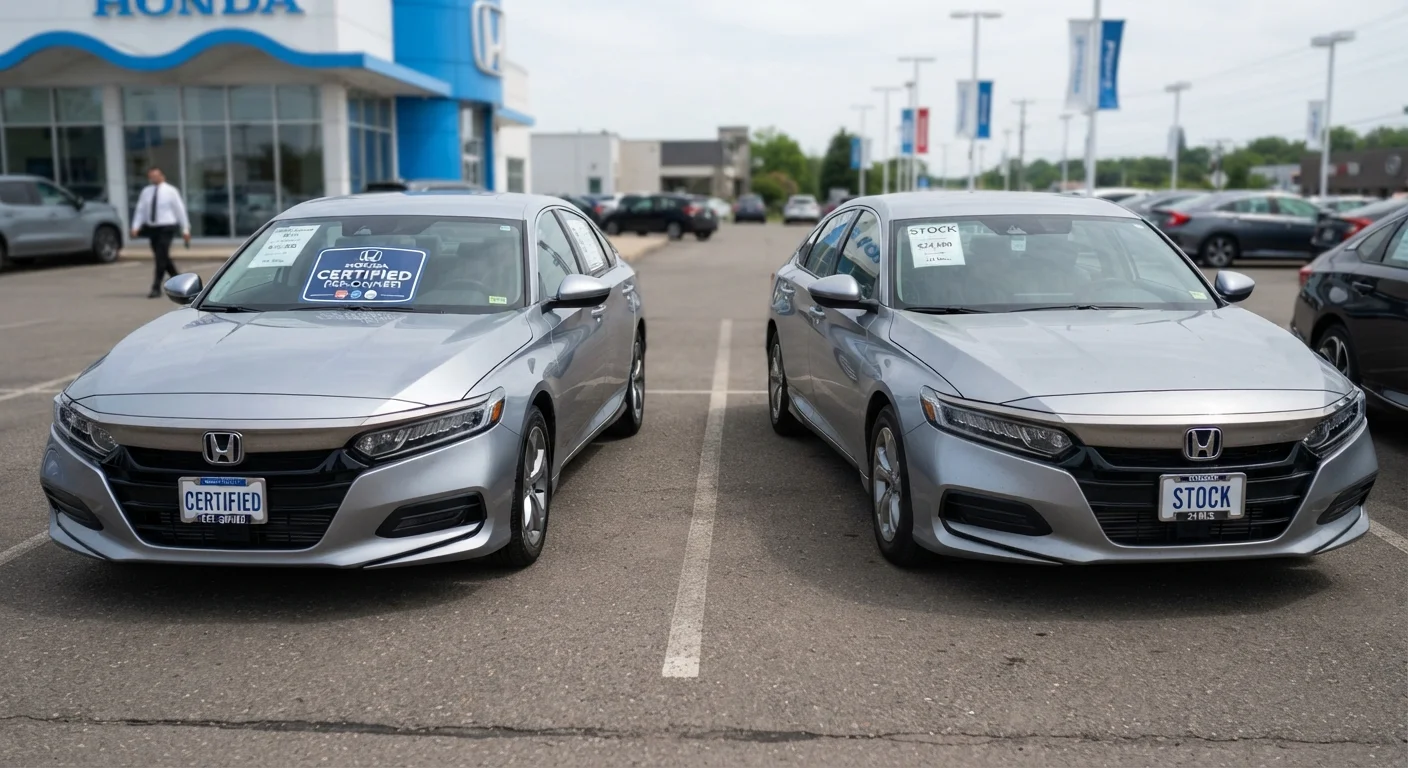
What CPO Actually Means — and What It Doesn't
The term "certified pre-owned" sounds reassuring, but the word "certified" is doing a lot of work. It doesn't mean perfect condition — it means a vehicle has met a specific automaker's threshold for age, mileage, and condition, then passed a multi-point inspection conducted by a franchised dealer. The inspection checklist, the standards applied, and the resulting warranty all come from the manufacturer, not a neutral third party.
Most manufacturer CPO programs cap eligibility at vehicles that are five to six years old with fewer than 60,000–80,000 miles. Vehicles that pass receive a warranty extension — typically a powertrain warranty ranging from one to seven years beyond the original factory coverage — and sometimes roadside assistance or loaner car benefits. For a fuller picture of how that coverage stacks up against factory and extended warranties, see our breakdown of warranty coverage across new and used vehicles.
Critically, inspection quality depends on the dealer performing it. The checklist is standardized, but execution varies. A CPO badge is not a guarantee of zero issues — it's a documented process with accountability attached.
Manufacturer CPO vs. Dealer-Certified: Not the Same
Some independent dealers use terms like "dealer certified" or "pre-inspected" that are not the same as a manufacturer CPO program. These dealer-only labels carry no manufacturer warranty backing and no standardized inspection process. When evaluating a certified vehicle, confirm whether the certification is backed by the original automaker's program or is a dealer-created designation — the distinction has real implications for warranty coverage and accountability.
Standard Used: More Risk, More Flexibility
A standard used car carries no manufacturer program requirements. It might have a full service history, or none at all. It could be coming off a lease, out of a private driveway, or from a wholesale auction. The condition, history, and pricing vary enormously — which is both the risk and the opportunity.
Without a formal inspection requirement, buyers bear more of the verification burden themselves. That means pulling a vehicle history report, reviewing maintenance records, and ideally commissioning an independent pre-purchase inspection from a qualified mechanic — typically costing $100–$200, money well spent given the stakes. This due diligence can close a meaningful portion of the reliability gap between CPO and standard used.
Standard used vehicles also tend to offer more negotiating room on price. There's no program fee embedded in the sticker, and private sellers and independent dealers are often more flexible than franchised dealerships constrained by CPO program pricing floors. For how that price gap plays out in practice, see our look at CPO pricing versus standard used car pricing.
| Criterion | Certified Pre-Owned | Standard Used |
|---|---|---|
| Inspection requirement | Mandatory multi-point inspection | None required |
| Warranty coverage | Manufacturer-backed extension included | Typically sold as-is |
| Age/mileage eligibility | Restricted (usually <6 yrs, <80k mi) | No restrictions |
| Price premium | Higher (program costs embedded) | Lower; more negotiable |
| Inventory breadth | Narrower, franchised dealers only | Broad — dealers, private, auctions |
| Buyer due diligence needed | Lower (but still recommended) | Higher — inspection essential |
| Financing rate availability | Often lower manufacturer rates | Standard used car loan rates |
How to Decide Which Path Fits Your Situation
The right choice depends on your financial position, your risk tolerance, and what the specific vehicles on offer actually look like. A CPO vehicle makes the most sense when you're financing the purchase (adding unpredictable repair costs on top of a monthly payment is genuinely stressful), when you're buying a model with a historically complex repair profile, or when you simply value the documentation and peace of mind and can afford the premium.
A standard used vehicle makes sense when you have the cash reserves to absorb a repair, when you're buying an older vehicle that wouldn't qualify for CPO anyway, or when the price difference between a CPO and comparable standard used unit is large enough to fund your own inspection and a meaningful repair buffer.
Either way, don't skip the homework. For CPO vehicles, ask to see the actual inspection checklist — dealers should provide it. Check what the warranty covers and what it excludes, since powertrain warranties typically don't cover wear items like brakes or tires. For standard used cars, treat the independent inspection as non-negotiable. Both paths reward buyers who ask specific questions rather than trusting the label.
$1,000–$3,000
Typical CPO price premium over comparable standard used
Industry analysts generally estimate the CPO premium in this range, though it varies significantly by vehicle segment and market conditions.
~170+ points
Items on a typical manufacturer CPO inspection checklist
Many major automaker CPO programs publish inspection checklists that cover mechanical, safety, and cosmetic criteria — the exact count varies by brand.
This article is for general informational purposes only and does not constitute financial or legal advice. Vehicle pricing, warranty terms, and CPO program details vary by manufacturer and dealer. Consult a qualified professional for guidance specific to your situation.