
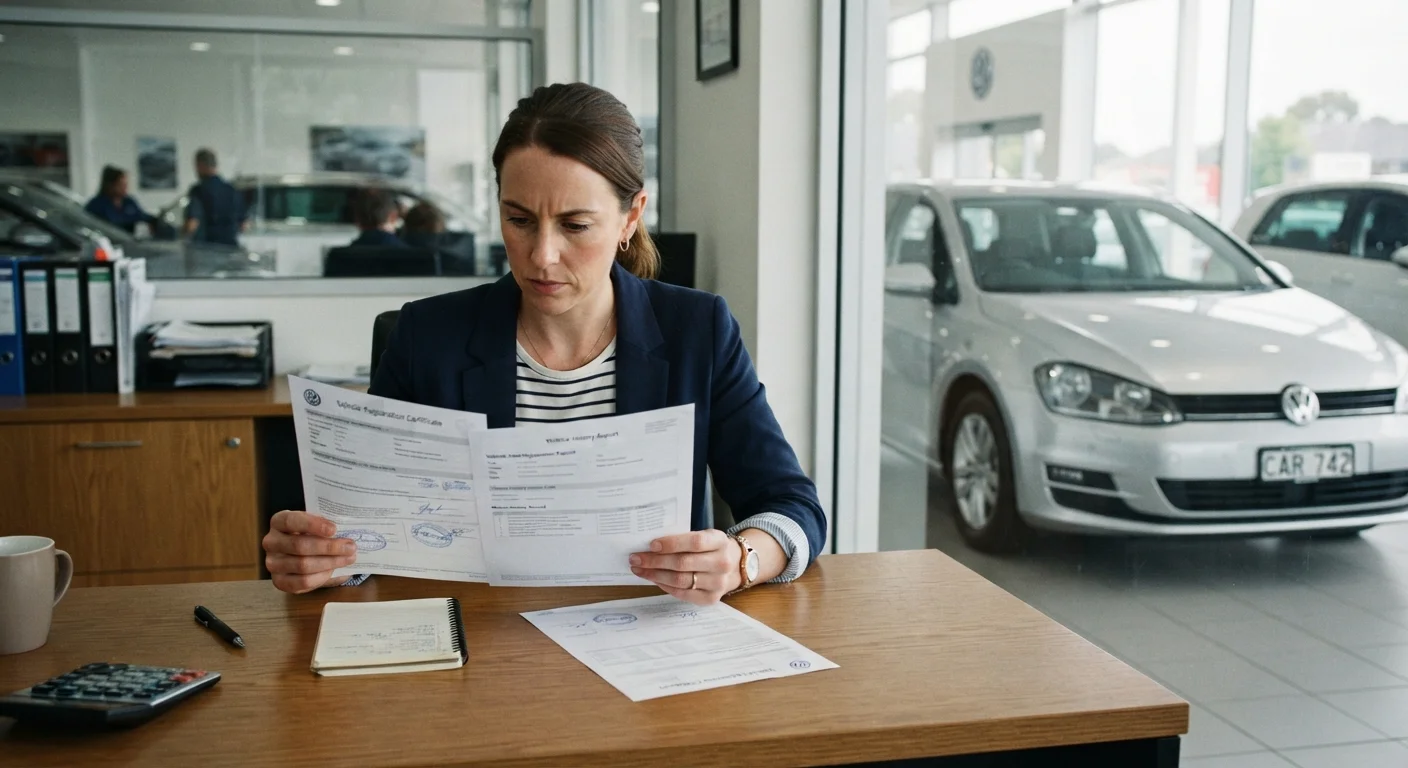
Why Due Diligence Isn't Optional in the Used Car Market
The used car market moves fast, and sellers — private or commercial — rarely volunteer unflattering information. That asymmetry of knowledge is the core risk every buyer faces. The good news: the same steps that protect experienced buyers are accessible to anyone willing to take them before money changes hands.
For a fuller picture of the end-to-end buying process, see Navigating a Used Car Purchase from Start to Finish. This article focuses specifically on the verification standards that separate buyers who walk away satisfied from those who end up with costly regrets.
This Is General Information, Not Legal Advice
Document requirements, title transfer procedures, and consumer protections vary by state. The guidance here is educational and broadly applicable, but always check your specific state's DMV or equivalent authority for current requirements before completing a purchase.
Core Due Diligence Practices
These six practices address the most common points of failure in used car transactions — from documentation fraud to overlooked mechanical problems. Apply all of them, not just the convenient ones.
Run a vehicle history report before you visit or negotiate.
A history report surfaces accident records, title issues, odometer discrepancies, and prior salvage or flood designations — problems that aren't visible on a casual walkthrough. Catching a red flag early saves you the time and cost of traveling to inspect a vehicle that was never worth buying.
Verify that the seller's identity matches the title document.
Mismatched names between the title and the seller are a common indicator of title washing, curbstoning (unlicensed dealer activity), or outright fraud. Confirming the match protects you from purchasing a vehicle the seller has no legal right to transfer.
Arrange an independent pre-purchase inspection (PPI) with a mechanic you choose.
A seller-provided inspection, or no inspection at all, leaves you exposed to expensive mechanical surprises. An independent mechanic has no incentive to downplay problems, and a $100–$150 inspection can prevent a $2,000+ repair bill.
Confirm the vehicle is free of outstanding liens.
If a seller still owes money on the vehicle, the lender technically holds an interest in it. Purchasing without verifying lien status means you could inherit someone else's debt obligation or face repossession of a car you've already paid for.
Research realistic market values before entering any price discussion.
Without a benchmark, buyers have no way to evaluate whether an asking price is fair, inflated, or suspiciously low. A very low price is as worthy of scrutiny as a high one — it often signals undisclosed problems.
Understand total ownership cost, not just the purchase price.
Insurance rates, fuel economy, and maintenance costs vary significantly between vehicles of similar purchase price. A cheaper car can easily cost more over three years if it carries higher insurance premiums or requires more frequent repairs.
For a structured walkthrough of what to inspect physically before you commit, see Inspecting a Used Car Before You Commit.
Start Before You Leave the House
Most due diligence failures happen because buyers show up to view a car before doing basic background work. Document checks, history reports, and market value research are all possible from home — and they determine whether a vehicle is even worth your time to inspect in person.
The Car Buyer's Pre-Dealership Preparation Checklist outlines additional research you should complete before any in-person appointment.
“The single most important thing a used car buyer can do is slow down. Most costly mistakes happen when someone rushes a purchase because they've already fallen in love with the car.”
— Consumer Automotive Research Advisory, Industry consumer education body
If you want to understand which due diligence shortcuts most commonly result in buyer's remorse, Pitfalls That Catch Out Used Car Buyers More Than Once is worth reading alongside this article.