
Why a Structured Inspection Matters
Buying a used car without a systematic inspection is one of the most common — and costly — mistakes buyers make. A vehicle can look clean and drive acceptably on a short spin around the block while concealing thousands of dollars in deferred maintenance, hidden accident damage, or title complications that only surface after the money has changed hands.
This checklist gives you a repeatable framework whether you're buying from a private seller or a dealership lot. It pairs with due diligence standards every used car buyer should follow to cover both the physical and legal dimensions of a smart used car purchase. For a broader view of the tradeoffs involved in used car buying, see our new vs used tradeoffs hub.
Work through the checklist groups below in order. Complete the paperwork and history checks before you visit — there is no point inspecting a car with a salvage title or an active lien.
Frame Damage Is a Deal-Breaker
Structural or frame damage fundamentally compromises a vehicle's crash safety performance, even after repair. If a vehicle history report or physical inspection reveals prior frame damage, approach the purchase with extreme caution. No price reduction fully compensates for compromised structural integrity — consult a qualified mechanic or body shop before proceeding.
Tools You'll Need On-Site
You don't need specialist equipment to conduct a useful inspection, but a few tools meaningfully improve what you can catch without a mechanic present. A flashlight is non-negotiable for examining wheel arches, engine bays, and undercarriage in any lighting condition. An OBD-II scanner — inexpensive and widely available — plugs into the vehicle's diagnostic port and reads stored fault codes that won't show up unless you're actively looking.
Vehicle History Report Service
Retrieve accident history, title records, odometer readings, and ownership count using the VIN.
OBD-II Scanner
Read stored diagnostic trouble codes from the vehicle's computer to surface hidden fault codes.
Flashlight or Inspection Torch
Illuminate hard-to-see areas under the hood, beneath the vehicle, and in wheel arches.
Paint Depth Gauge
Detect areas of body filler or overspray by measuring paint thickness across body panels.
Independent Mechanic
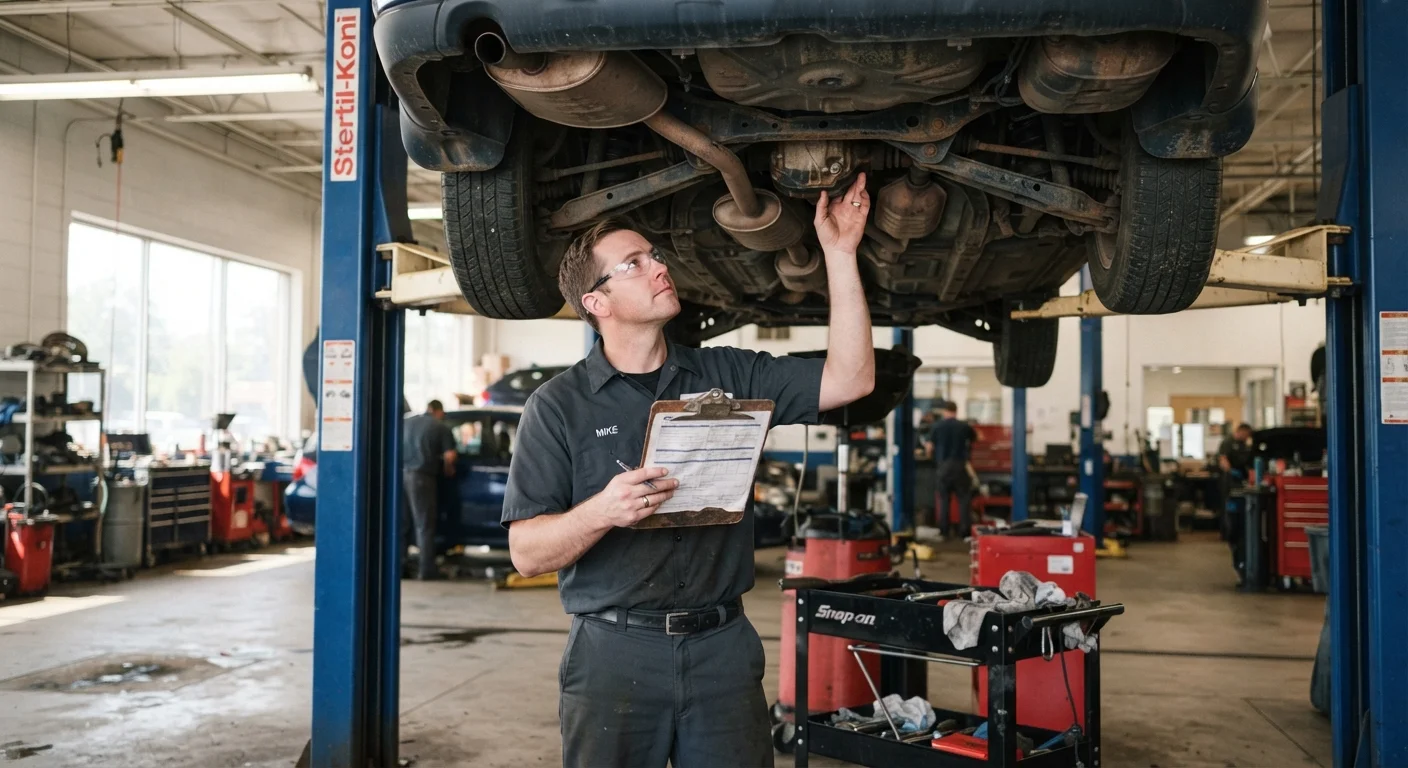
Conduct a professional lift inspection to assess mechanical condition beyond what a visual walkthrough reveals.
A paint depth gauge helps identify panels that have been filled or resprayed, which a visual check alone can miss on well-prepared vehicles. None of these tools replace an independent mechanic, but they let you make a more informed decision about whether to pay for a professional inspection at all.
The Full Pre-Purchase Inspection Checklist
Work through each group methodically. Items marked must are non-negotiable — skip them and you are accepting blind risk. Items marked should are strongly recommended; only deprioritise them if circumstances make them genuinely impossible. Nice to have items add confidence but are unlikely to be deal-breakers on their own.
Paperwork and History
Exterior and Body
Under the Hood
Underneath and Structural
Interior and Electronics
Test Drive
For a deeper look at maintenance-specific red flags — worn brake components, leaking seals, neglected service intervals — see our maintenance red flags checklist.
Don't Rely on the Seller's Mechanic
Some sellers will offer to have the car inspected by their own preferred shop. This creates a conflict of interest that may not serve your interests. Always arrange your own independent inspection at a shop you choose — ideally one with no prior relationship to the seller or dealer.
Warning Lights Are Not Always Minor
A seller claiming a dashboard warning light is 'just a sensor' may be correct — or may be concealing a serious fault. Use an OBD-II scanner or ask an independent mechanic to read stored codes before accepting any explanation at face value.
After the Inspection: What to Do with What You Find
A perfect inspection result is rare. Most used vehicles will have at least a few minor issues — slightly worn brake pads, small cosmetic blemishes, or a light that needs attention. The goal is not to find a flawless car; it's to distinguish between ordinary wear and structural or mechanical problems that will cost significantly more to remedy than their price implies.
Use inspection findings as a negotiating basis, not just a pass/fail gate. Documented issues give you objective grounds to request a price adjustment or ask the seller to address specific repairs before sale. If the seller refuses to allow an independent mechanic inspection at all, treat that refusal as a serious red flag in itself.
Before you get to the lot, make sure your preparation is complete. Our pre-dealership preparation checklist covers financing, trim comparisons, and everything else you should have locked down before any negotiation begins.
This article is for general informational purposes only and does not constitute mechanical, legal, or financial advice. Vehicle condition assessments should be conducted by a qualified, licensed mechanic. Consult appropriate professionals before making any vehicle purchase decision.