
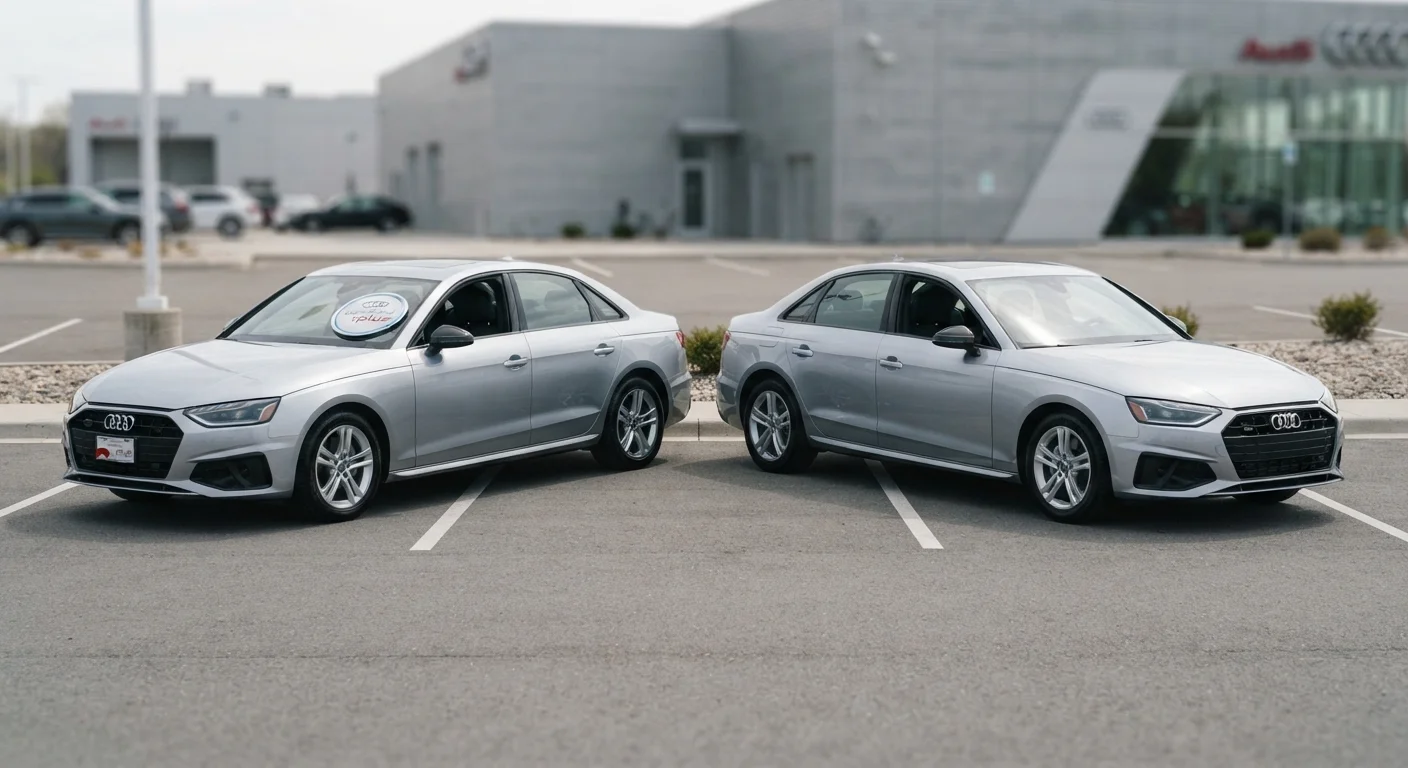
What CPO Certification Actually Means
A Certified Pre-Owned vehicle is a used car that has been inspected, reconditioned, and approved under a program managed by the manufacturer — not just the dealership. Each automaker sets its own CPO standards, but common requirements include an age limit (typically five to six model years), a maximum mileage cap (often around 80,000 miles), and a multi-point inspection checklist that can run 100 to 200 items.
Vehicles that pass become eligible for an extended limited warranty backed by the manufacturer, along with benefits such as roadside assistance, trip-interruption coverage, and sometimes complimentary loaner vehicles. The key word is manufacturer-backed: if a dispute arises, the automaker's warranty terms govern — not just the selling dealer's goodwill.
It's worth noting that some dealerships also market their own internal "certified" programs that are distinct from manufacturer CPO programs. These dealer-certified vehicles carry varying levels of inspection rigor and warranty coverage, so it pays to ask specifically whether a vehicle is enrolled in the manufacturer's CPO program. For a deeper look at what CPO warranty coverage actually includes, see our guide to warranty coverage when buying new vs. used.
How Standard Used Cars Work
A standard used car is any pre-owned vehicle sold without manufacturer CPO certification. That market is broad: it includes late-model off-lease vehicles, trade-ins, auction purchases, and older private-party sales. Prices span a wide range, and the source — franchise dealer, independent dealer, or private seller — shapes what, if any, protections come with the purchase.
Most standard used cars are sold "as-is," meaning once the sale closes, repair costs fall on the buyer. Some dealers offer limited used-car warranties or allow buyers to purchase separate service contracts (often called extended warranties), but those are add-ons, not standard inclusions. The protections are negotiated, not guaranteed by a program.
| Criterion | Certified Pre-Owned | Standard Used |
|---|---|---|
| Inspection requirement | Manufacturer multi-point inspection required | No standardized inspection required |
| Warranty included | Extended manufacturer-backed warranty | Usually sold as-is; add-ons negotiable |
| Vehicle age/mileage limits | Typically under 6 years / 80K miles | No restrictions — any age or mileage |
| Purchase price | Higher (CPO premium applies) | Lower starting price |
| Negotiation flexibility | Limited — program terms are set | Generally more room to negotiate |
| Source options | Franchised dealers only | Dealers, independents, private sellers |
| Roadside assistance | Often included | Not typically included |
The upside is flexibility. Buyers can shop across a much wider selection of ages, mileage ranges, and sellers, and typically have more room to negotiate price. A thorough approach to buying used cars — including a pre-purchase inspection from an independent mechanic — can address many of the reliability concerns that CPO programs attempt to solve structurally.
Cost Differences and What the Premium Pays For
CPO vehicles consistently carry a price premium over comparable standard used cars. The exact gap varies by brand, model, age, and market conditions, but it frequently falls in the range of $1,000 to $3,500, and can be higher for luxury vehicles with more comprehensive CPO programs.
$1,000–$3,500+
Typical CPO premium over standard used
Industry estimates suggest CPO vehicles commonly carry this price premium over comparable non-certified used vehicles, varying by brand and model year.
100–200 points
Items on a manufacturer CPO inspection checklist
Most major automakers publish their CPO inspection criteria, which typically cover mechanical, safety, and cosmetic conditions across a detailed checklist.
That premium reflects several tangible items: the cost of the inspection and any reconditioning work performed, the actuarial cost of the extended warranty coverage, and the administrative overhead of the manufacturer program. Buyers are essentially prepaying for a degree of risk reduction.
Whether the premium is justified depends on the specific vehicle's condition, the warranty terms, and the buyer's situation. Our article on CPO pricing vs. standard used car pricing examines how to evaluate that trade-off in concrete terms. Comparing CPO options to new vehicles is also worth considering; see New Car vs. Certified Pre-Owned: Weighing the Real Trade-offs for that analysis.
Key Factors to Weigh Before Deciding
Neither path is objectively superior. The decision hinges on four practical factors:
- Risk tolerance: CPO programs reduce — but don't eliminate — the chance of unexpected repair costs. If financial unpredictability is a significant concern, the warranty structure has real value.
- Vehicle age and mileage: If the vehicle you want falls outside CPO eligibility (older or higher mileage), the choice is made for you. Standard used it is.
- Your ability to vet the car independently: A $150–$200 pre-purchase inspection by an independent mechanic can reveal most of the same mechanical issues a CPO inspection would catch, at a fraction of the premium cost.
- Financing considerations: Some lenders offer more favorable rates on CPO vehicles, which can partially offset the higher purchase price. Verify this with any lender before assuming it applies.
Dealer-Certified vs. Manufacturer CPO: Know the Difference
Some dealerships advertise vehicles as "certified" under their own in-house programs, which are separate from manufacturer CPO programs. Dealer-certified programs vary widely in inspection standards and warranty coverage. Always ask whether a vehicle is enrolled in the manufacturer's official CPO program and request documentation of the inspection results and warranty terms before signing.
For buyers exploring all the dimensions of the new-vs-used spectrum, the New vs. Used Tradeoffs hub provides a structured framework covering cost, reliability, and long-term value factors.
This article is for general informational and educational purposes only. Vehicle pricing, warranty terms, and program eligibility vary by manufacturer, dealer, and market. Consult a licensed dealer or independent automotive adviser before making a vehicle purchase decision.