
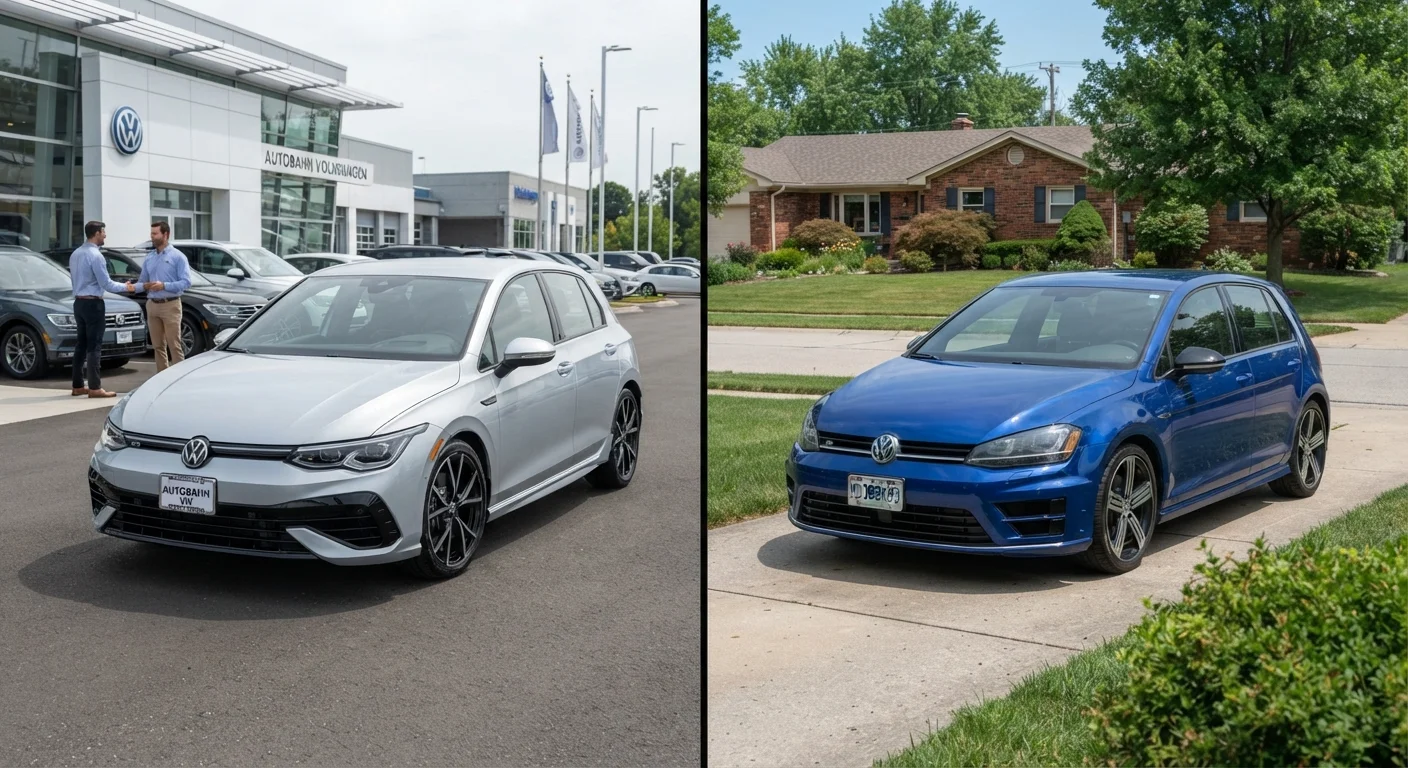
Why This Decision Deserves a Framework
The new-versus-used question is one of the most consequential choices in the car-buying process — yet most buyers approach it backward, starting with a vehicle they like and then rationalizing the purchase. A structured framework forces you to weigh the variables that actually determine value: cost of ownership, reliability, financing terms, insurance, and resale trajectory.
This guide walks through each of those dimensions in turn, giving you a clear basis for comparison rather than a gut-feel guess. For a concise overview of the foundational trade-offs, see our breakdown of core new-vs-used trade-offs before diving into the detailed analysis below.
Start With Numbers, Not Preferences
Before visiting any dealership or browsing listings, write down your maximum all-in monthly budget — loan payment, insurance estimate, fuel, and a maintenance buffer. Working backward from that number keeps emotion from driving a decision that your finances will have to live with for years.
Cost of Ownership: The Full Picture
Purchase price is the most visible number, but it rarely tells the whole story. True cost of ownership includes depreciation, fuel, routine maintenance, unplanned repairs, registration fees, and financing charges — all summed across the years you plan to own the vehicle.
Depreciation is where new cars take their biggest hit. A new vehicle can lose a significant portion of its value in the first few years of ownership, meaning a buyer who purchases used — even one or two model years old — avoids absorbing that initial loss. That said, the gap narrows if you hold a new car for a decade or more.
Maintenance costs generally rise with age and mileage. Newer vehicles under factory warranty shift repair costs to the manufacturer; older vehicles can surprise owners with larger out-of-pocket bills. Budgeting a realistic maintenance reserve for any used vehicle over five years old is a sound practice.
~20%
Typical first-year new-car depreciation
Industry estimates consistently place first-year depreciation for new vehicles in the range of 15–25%, varying by make, model, and market conditions.
2–4 years
Used-car sweet spot for value
Vehicles in this age range have absorbed the steepest depreciation while often retaining useful warranty coverage and lower mileage.
1–2%+
Typical rate premium on used-car loans
Used-car auto loan rates have historically run higher than new-car rates from the same lenders, reflecting greater collateral risk on older vehicles.
For a side-by-side breakdown of purchase price, depreciation, and long-term expenses, our financial comparison guide provides structured numbers to work with.
Reliability Signals and Risk Tolerance
Reliability is not binary. A three-year-old certified pre-owned vehicle with a clean history report and full-service records can be a lower-risk purchase than a brand-new model from a manufacturer with a troubled launch track record. The key is knowing which signals to read.
- Vehicle history reports (from services such as Carfax or AutoCheck) surface title issues, accident records, and odometer discrepancies.
- Pre-purchase inspections by an independent, qualified mechanic identify deferred maintenance and hidden mechanical problems before money changes hands.
- Owner reliability surveys from organizations like Consumer Reports or J.D. Power offer aggregate data on how specific model-year vehicles hold up over time.
Always order a vehicle history report AND pay for an independent pre-purchase inspection — never treat these as either/or steps. The history report surfaces documented events; the inspection catches current mechanical condition that records don't show.
Skipping either step leaves a significant blind spot. Hidden accident damage may not appear in databases, and deferred maintenance issues are invisible without a hands-on evaluation by a qualified mechanic.
When evaluating reliability data, focus on the specific model year you're considering, not just the model name. A redesigned or refreshed model year can have a meaningfully different reliability track record than its predecessor.
Model redesigns introduce new engineering and manufacturing variables that aggregate brand-level data can obscure, making model-year-specific reliability data a more accurate planning input.
Used car buyers should also explore the full landscape of used-car buying considerations, including what to look for at every stage of the process.
Financing and Insurance Realities
Financing terms can shift the effective cost of a vehicle substantially. Lenders typically offer lower interest rates on new vehicles than on used ones, because new cars represent less collateral risk. However, the higher loan principal on a new vehicle may result in a larger total interest payment even at a lower rate — especially on longer loan terms of 60 to 84 months.
Understand Loan-to-Value Risk Before You Sign
New vehicles can depreciate faster than a loan is paid down in the early months, leaving owners in a negative-equity position. If you total the vehicle or need to sell before the loan matures, you may owe more than the car is worth. Gap insurance can protect against this scenario — ask your insurer about eligibility and cost before finalizing financing.
Insurance premiums reflect replacement cost, theft rates, and repair complexity. New vehicles — particularly those equipped with advanced driver-assistance systems — can carry higher collision and comprehensive premiums. Gap insurance (which covers the difference between a vehicle's value and the outstanding loan balance) is often advisable for new-car buyers who finance with a small down payment, since depreciation can quickly put a loan underwater.
Used-car buyers may find lower comprehensive premiums but should verify whether the vehicle still qualifies for any extended warranty products, which can influence overall financial exposure. This content is general information; consult a licensed insurance professional and a qualified financial adviser for guidance specific to your situation.
Resale Value and Long-Term Planning
How long you plan to own the vehicle reshapes the math significantly. Buyers who rotate vehicles every three to four years are more exposed to depreciation cycles and tend to fare better with used cars purchased in the sweet spot — roughly two to four years old with moderate mileage. Buyers who hold vehicles for eight to ten years effectively amortize the new-car premium across more miles, reducing its per-mile cost.
“Depreciation is the largest single cost of car ownership for most people — yet it's the one they think about least when making the purchase decision.”
— Consumer automotive finance analysts, Researchers specializing in vehicle total cost of ownership
Certain vehicle categories — trucks, SUVs in popular configurations, and some hybrid models — have historically retained value more strongly than sedans. However, residual values shift with fuel prices, consumer demand, and new-model introductions, so no resale outcome is guaranteed. Approach published residual estimates as useful planning inputs, not promises.
Before finalizing any decision, working through a structured set of personal questions about budget, driving habits, and risk comfort is essential. Our pre-decision question framework is designed for exactly that exercise.
Making the Call: A Decision Checklist
With all dimensions considered, the decision often clarifies itself. Run through these checkpoints before committing:
- Total monthly budget: Calculate what you can sustain after insurance, fuel, and a maintenance reserve — not just the loan payment.
- Holding period: Longer ownership timelines reduce the relative cost of buying new; shorter timelines favor used.
- Risk tolerance: If an unexpected $1,500 repair would create genuine financial strain, factor that into how you price used-car risk.
- Financing availability: Check your credit profile. A substantial rate difference between new and used loans could change the comparison.
- Warranty needs: Determine whether the remaining factory coverage or a certified pre-owned program adequately covers your comfort level.
Buyers new to the used market will find comprehensive process guidance in our first used car purchase guide and our end-to-end used car purchase walkthrough.
NHTSA Vehicle Safety Ratings
The National Highway Traffic Safety Administration publishes crash-test ratings and safety recall information searchable by vehicle make, model, and year — useful for both new and used car shoppers.
Consumer Financial Protection Bureau: Auto Loans
The CFPB provides plain-language educational resources explaining auto loan terms, financing rights, and what to watch for when comparing loan offers from dealers and direct lenders.
Vehicle History Report Services
Services such as Carfax and AutoCheck compile title, accident, and odometer data from insurers, DMVs, and repair shops — a standard due-diligence step for any used-car purchase.
This article provides general educational information about car buying decisions and is not personalized financial, insurance, or legal advice. Costs, rates, and terms vary by individual circumstances, lender, insurer, and market conditions. Consult qualified professionals before making decisions based on your specific situation.