
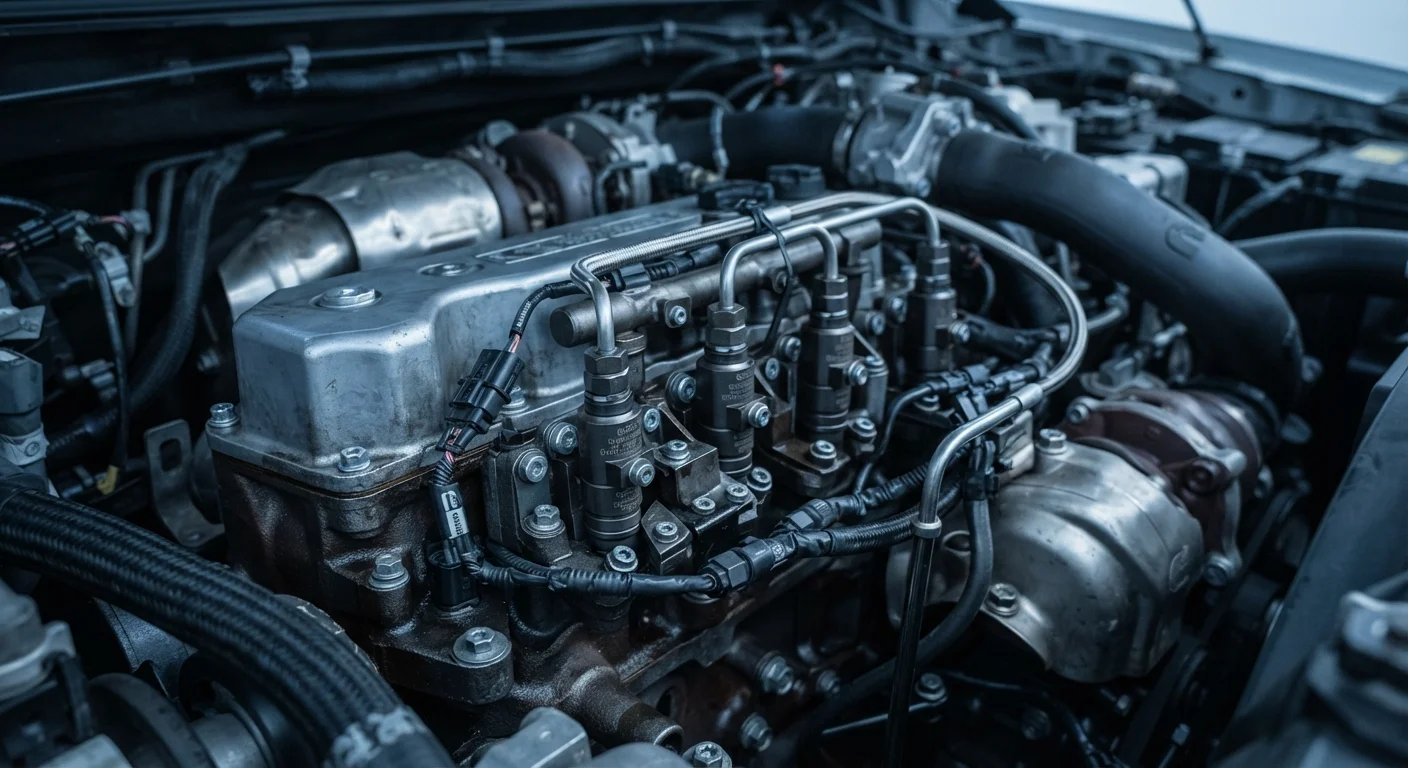
How Diesel's Reputation Changed — and Why
For much of the late 20th century, diesel was synonymous with durability and long-haul efficiency. Then came the emissions scandals of the 2010s, which exposed a gap between how some vehicles performed in lab tests versus real-world driving conditions. Public trust in diesel fell sharply, and regulators responded by tightening standards considerably.
What followed was a genuine engineering overhaul. Automakers invested heavily in after-treatment technology to meet the new rules. The result is that a compliant diesel sold in the US today operates under a very different emissions profile than one built fifteen or twenty years ago. Understanding this distinction matters enormously for buyers evaluating diesel as a powertrain option.
For a broader view of how diesel fits alongside other powertrain choices, see our complete guide to powertrain types.
California and CARB-State Rules Apply Differently
Roughly a dozen states, including California, New York, and Massachusetts, follow stricter CARB emissions standards rather than federal EPA minimums alone. If you live in or plan to move to a CARB state, verify that any diesel vehicle you consider — new or used — carries proper CARB certification. Non-certified vehicles cannot be legally registered in those states.
What Modern Emissions Systems Actually Do
Today's compliant diesel vehicles rely on two primary systems to meet federal and state standards:
- Diesel Particulate Filter (DPF): A physical filter that traps soot and fine particles in the exhaust stream. The filter periodically regenerates — burning off accumulated soot — either passively during highway driving or actively through a controlled process. A damaged or blocked DPF can trigger warning lights and reduce performance.
- Selective Catalytic Reduction (SCR): A chemical process that injects diesel exhaust fluid (DEF) into the exhaust to convert nitrogen oxides into nitrogen and water vapor. DEF is a consumable that owners must replenish — typically every few thousand miles depending on driving conditions.
These systems are not optional add-ons; they are legally required components. Tampering with or removing emissions systems is illegal under federal law and can expose owners to significant penalties, failed inspections, and costly remediation.
~90%
Reduction in NOx limits since early 2000s
EPA Tier 3 standards, phased in from 2017, set NOx limits approximately 90% lower than Tier 2 standards established in 2000, reflecting decades of regulatory tightening.
~30%
Typical diesel fuel economy advantage on highway
Diesel engines generally achieve 20–30% better fuel economy than comparable gasoline engines in highway driving conditions, owing to higher energy density and thermal efficiency.
Where Diesel Still Has a Practical Advantage
Modern diesel's strongest remaining case is in specific, high-demand applications. Diesel engines produce high torque at low engine speeds, which translates directly into superior towing and hauling capability. For truck buyers who regularly pull trailers or carry heavy payloads, diesel remains a technically well-suited option.
Highway fuel efficiency is another durable strength. Diesel fuel contains more energy per gallon than gasoline, and diesel engines extract that energy more efficiently at steady cruising speeds. Drivers covering substantial highway miles — consistently above 20,000 per year — may find the fuel economy advantage meaningful over time.
Where diesel struggles is in urban and stop-and-go driving, where its efficiency advantage diminishes and emissions systems can have difficulty completing normal regeneration cycles. For drivers in that profile, the comparison with modern hybrids becomes more competitive. Our article on hybrid vs. diesel for high-mileage drivers explores that trade-off in detail.
Match Your Driving Profile to the Powertrain
Before committing to diesel, honestly assess your weekly driving mix. If the majority of your miles are highway or involve regular towing and hauling, diesel's strengths are real. If most of your driving is urban or suburban with shorter trips, explore whether a hybrid might serve you better — the efficiency math often shifts significantly.
Key Ownership Considerations Before You Buy
Choosing diesel means accepting a set of ownership responsibilities that differ from gasoline vehicles. Buyers should weigh these clearly:
- DEF maintenance: You will need to monitor and refill diesel exhaust fluid regularly. Neglecting this can trigger limp-mode or prevent the vehicle from starting after a warning threshold is crossed.
- DPF health: Short, low-speed trips can prevent the particulate filter from regenerating properly. Owners who primarily drive in city conditions may experience more frequent DPF issues.
- Compliance status on used vehicles: Some older or used diesel vehicles have had emissions components modified or removed. This is a serious red flag — such vehicles may fail state inspections and cannot legally be brought back into compliance without expensive repairs. If you are weighing new versus used, emissions system integrity is a particularly critical check on the used side.
- Long-term market trajectory: Diesel's share of the US passenger car market has declined, and some manufacturers have exited the segment. This may affect parts availability and resale values for certain models over time.
None of these points make diesel a poor choice categorically — they are factors to weigh against your specific driving needs and circumstances.