
Why These Myths Persist — and Why They Matter
Misconceptions about electric vehicles don't circulate because buyers are careless. They spread because some have a kernel of historical truth — batteries did degrade faster on early EVs, charging networks were sparse — and because the technology has evolved faster than public perception. For a buyer weighing a significant purchase, unexamined myths can be genuinely costly, either steering someone away from a vehicle that would suit them well, or drawing them in without realistic expectations. The goal here is not to sell EVs but to give you an accurate foundation for your own decision. Whether you're exploring a new vehicle purchase or simply trying to understand what the switch to electric actually involves, the following paired myth-and-fact blocks cover the claims we hear most often.
Myth
EV batteries wear out quickly and need expensive replacement after just a few years.
Fact
Modern lithium-ion battery packs are designed for long service lives; real-world data generally shows modest capacity loss over many years of typical driving.
This fear stems from early smartphones and laptops, whose small batteries degraded noticeably within two or three years. EV packs work very differently: they use sophisticated battery management systems (BMS) that regulate charge depth, temperature, and current to slow degradation. Large-scale studies of EV fleets on the road have found that average capacity loss is often in the range of a few percent per year under normal conditions, not the sharp drop many buyers fear. Battery degradation is real but slower than most expect — and the factors that accelerate it, such as frequent DC fast-charging at high state-of-charge or prolonged exposure to extreme heat, are largely within a driver's control.
Myth
There are never any charging stations when you need one, making long trips impractical.
Fact
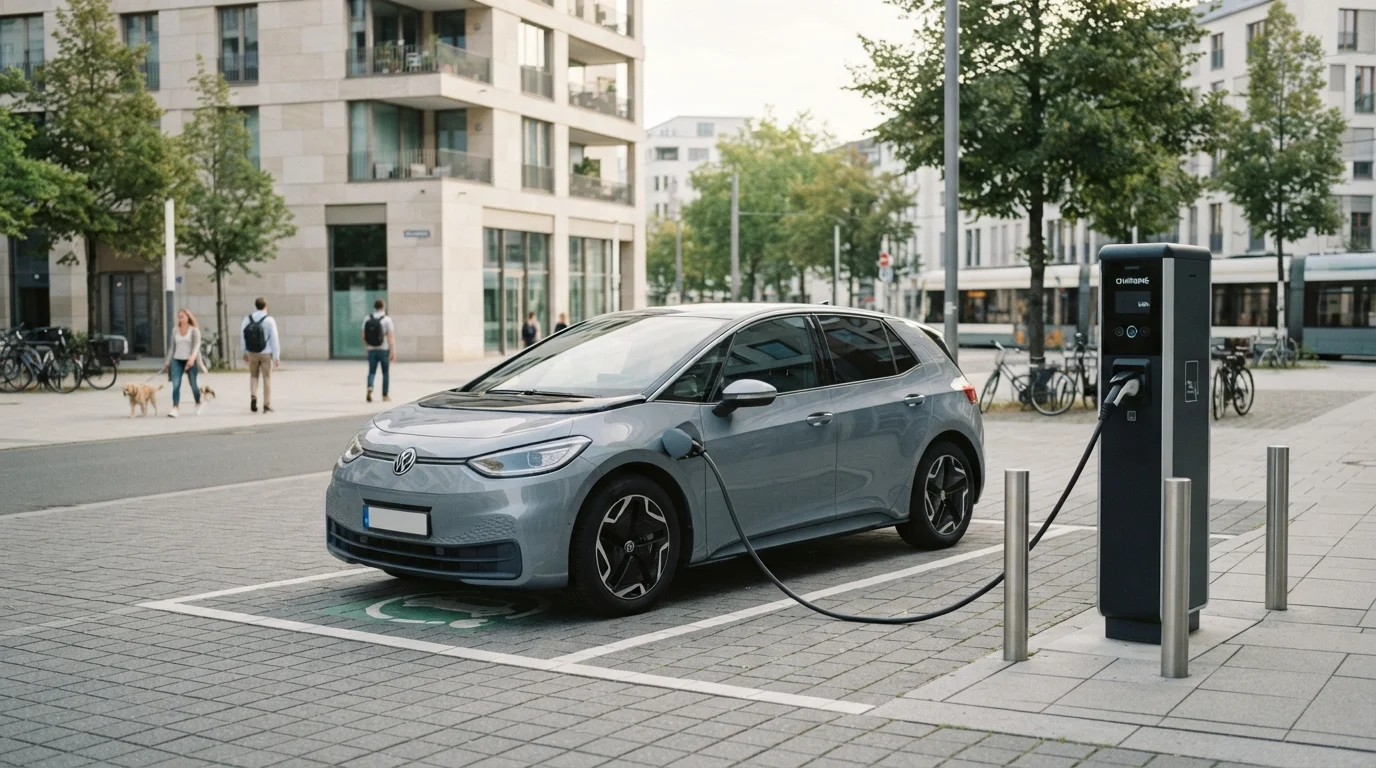
The US public charging network has expanded substantially, with tens of thousands of stations now available, though coverage and reliability vary by region.
Range anxiety is real as a feeling, but the underlying infrastructure has grown considerably. The US Department of Energy tracks over 60,000 public charging locations nationwide, and DC fast-charging corridors now cover most major interstate highways. That said, charging is not yet as seamless as refueling at a gas station — session reliability, connector compatibility, and wait times at busy fast-chargers remain genuine pain points worth planning around. For the majority of US drivers, common misunderstandings about public chargers can be avoided with modest preparation: identifying charge-stop locations before a trip, downloading the relevant network apps, and maintaining a buffer of remaining range.
Myth
EVs are actually worse for the environment once you account for battery manufacturing and grid electricity.
Fact
Peer-reviewed lifecycle analyses consistently show EVs generate significantly lower total greenhouse gas emissions than comparable gasoline vehicles over their full lifespan.
Manufacturing a large battery pack does require energy and mining of materials such as lithium, cobalt, and nickel — producing what researchers call a "carbon debt" relative to building a conventional vehicle. However, EVs recover that deficit through operational emissions savings, typically within the first few years of driving, depending on the regional electricity grid's carbon intensity. As the US grid incorporates more renewable generation, that payback window shortens further. A 2021 lifecycle analysis published by the International Council on Clean Transportation estimated that, averaged across the US grid, a mid-size BEV produces roughly 60–68% fewer lifecycle greenhouse gas emissions than a gasoline equivalent. The case is less clear-cut in regions still heavily reliant on coal-based electricity, but improvements in grid mix continue to shift the comparison in EVs' favor.
Myth
Charging an EV at home will cause your electricity bill to skyrocket.
Fact
For most drivers, home charging adds a manageable amount to monthly electricity costs, often less than the equivalent spent on gasoline.
How much home charging costs depends on your local electricity rate, how many miles you drive, and your vehicle's efficiency rating (expressed in kWh per 100 miles). Using EPA figures as a guide, a vehicle consuming around 3 miles per kWh driven 1,000 miles per month would require roughly 333 kWh of electricity. At the US average residential rate of approximately $0.16 per kWh, that equates to about $53 per month — a figure that compares favorably to gasoline for many households. Planning errors that distort EV budgets — such as ignoring time-of-use rates or failing to account for public charging costs on longer trips — can skew these estimates significantly, so model your specific situation carefully.
Myth
EVs require just as much maintenance as gas-powered cars, so you don't really save anything there.
Fact
Electric powertrains eliminate many of the components that require regular servicing in internal combustion engines, generally resulting in lower routine maintenance costs.
Gasoline engines require periodic oil changes, transmission fluid services, spark plug replacements, exhaust system maintenance, and more. An all-electric powertrain has no engine oil, no spark plugs, no multi-speed transmission in most designs, and no exhaust system. Brake wear is also reduced on EVs because regenerative braking — which converts deceleration into electricity — handles a large proportion of everyday stopping. The main recurring maintenance items unique to EVs are tire rotation, cabin air filter replacement, and periodic brake fluid checks. This doesn't mean EVs are entirely maintenance-free, and battery-related repairs can be costly if they fall outside warranty coverage, but the overall service schedule is meaningfully simpler. See the Charging & Costs hub for a fuller picture of real EV ownership expenses.
What This Means for Your Buying Decision
Correcting these myths doesn't mean every EV suits every buyer. Range genuinely varies with weather and driving style — official range figures often differ from real-world results, and that gap matters if you regularly drive in cold climates or at sustained highway speeds. Public charging reliability is improving but still uneven. And upfront purchase prices remain higher than equivalent gas models for many segments, though that gap narrows when you factor in fuel and maintenance savings over time.
Real-World Range Varies from EPA Estimates
EPA range ratings are produced under standardized lab conditions and may differ noticeably from what you experience in cold weather, at highway speeds, or with a full passenger load. Always test-drive in conditions similar to your typical commute, and review real-world data from owner communities before deciding.
If the economics matter to your decision — and they should — take time to model your actual annual mileage, your local electricity rate, and the specific warranty terms of any vehicle you consider. The lease vs. buy question also deserves careful thought, particularly given how quickly EV technology is evolving. For a deeper look at how battery capacity holds up over ownership, our coverage of long-term battery degradation provides realistic benchmarks.
Federal Battery Warranty Minimums
US federal law requires automakers to warrant EV battery packs for at least 8 years or 100,000 miles — whichever comes first. Some manufacturers offer longer terms. Before purchasing, always verify the specific warranty language in the contract, as coverage conditions can vary.
This article is for general informational purposes only. Vehicle performance, warranty terms, charging costs, and electricity rates vary by model, region, and individual circumstances. Consult manufacturer documentation and, where relevant, a qualified financial adviser before making purchasing decisions.