
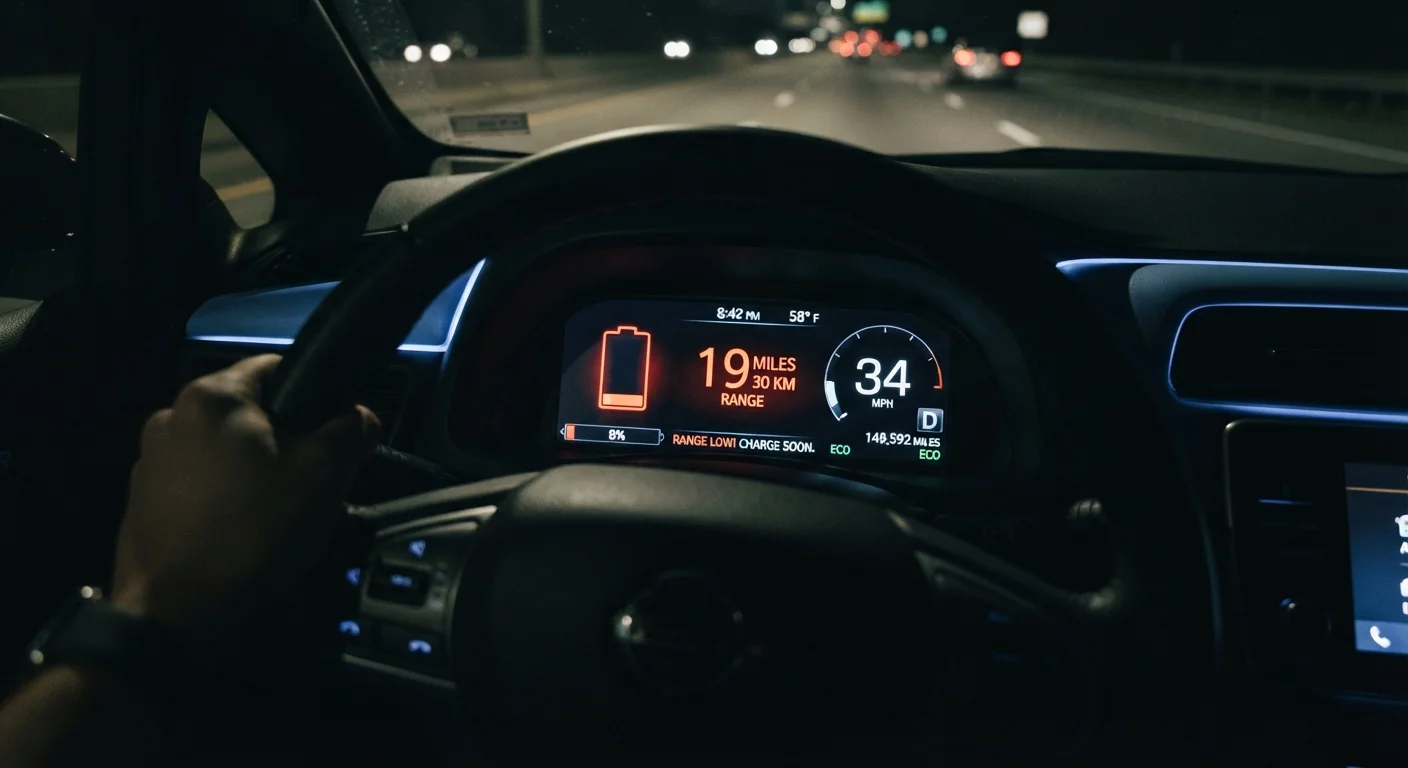
What the Window Sticker Number Actually Represents
When you look at an electric vehicle's window sticker, the range figure printed there comes from the EPA's standardized test cycle — a laboratory procedure designed to give every EV a comparable, apples-to-apples number. The EPA runs the vehicle through a weighted combination of simulated driving scenarios: urban stop-and-go, highway cruising, aggressive acceleration, air conditioning loads, and cold-weather starts.
The resulting single number is useful for comparison shopping. A vehicle rated at 300 miles can reasonably be expected to out-range one rated at 220 miles under similar real-world conditions. What the figure is not is a precise prediction of what you will see on any given drive. Think of it as a standardized benchmark, much like the way a marathon time tells you something meaningful about a runner's fitness without predicting exactly how fast they'll run your local 5K course.
It's also worth noting that manufacturers occasionally advertise a range claim that differs from the EPA figure — sometimes a best-case scenario under ideal conditions. When evaluating any EV, always confirm the EPA-certified number, which is the regulated, independently verified estimate.
EPA Range vs. Manufacturer Range Claims
Some automakers advertise a range figure on their websites or in marketing materials that is higher than the EPA-certified number on the window sticker. The EPA figure is the independently tested, regulated benchmark. When comparing vehicles or reading reviews, always confirm which figure is being referenced — the marketing claim or the EPA label.
The Real-World Gap: Why You'll See Different Numbers
The gap between sticker range and real-world range exists because laboratory conditions can't replicate the full variety of real driving. Several factors consistently push actual range below the EPA estimate:
- Speed: Energy consumption rises steeply at highway speeds. Driving at 75–80 mph can use 20–30% more energy per mile than the test cycle assumes.
- Temperature: Cold weather is the single biggest real-world range reducer. Lithium-ion batteries deliver less power when cold, and heating the cabin draws heavily from the pack. Studies have found range reductions of 30–40% in temperatures below 20°F.
- Climate control: Air conditioning and cabin heating both draw from the traction battery, directly competing with propulsion for available energy.
- Driving style: Aggressive acceleration consumes significantly more energy than smooth, anticipatory driving.
- Load: Carrying passengers and cargo increases rolling resistance and the energy required to accelerate.
For a deeper look at how each of these factors interacts with your daily driving, see Factors That Shape EV Range in the Real World. And if you're wondering how official figures compare to owner experiences more broadly, Why Your EV's Claimed Range Rarely Matches What You Experience covers the key drivers of that discrepancy.
~15%
Typical real-world range shortfall vs. EPA estimate
Analysis of real-world EV driving data consistently shows most drivers experience roughly 10–20% less range than the EPA-rated figure under normal mixed conditions.
30–40%
Range reduction in extreme cold weather
Research from AAA and the American Automobile Association found EV range can drop by 30–40% when temperatures fall below 20°F, primarily due to battery chemistry and cabin heating demands.
<30 miles
Median one-way US commute distance
According to U.S. Census Bureau data, the median one-way commute in the United States is under 30 miles, meaning most daily round trips fall well within the usable range of any modern EV.
Range Anxiety: Perception Versus Practical Reality
Range anxiety — the fear of running out of charge mid-trip — is one of the most frequently cited barriers to EV adoption. But for many buyers, the anxiety outpaces the actual risk. The median one-way commute in the United States is under 30 miles. Even accounting for a 20% real-world reduction from the EPA estimate, a vehicle rated at 200 miles offers more than three times that buffer for a typical daily round trip.
The risk is more genuine for drivers who:
- Frequently make long interstate trips with limited charging infrastructure along their route
- Cannot charge at home and depend entirely on public charging networks
- Live in climates with prolonged extreme cold
For everyone else — drivers with predictable routines and access to overnight home charging — the practical exposure to running out of charge is low. Range anxiety is often amplified by unfamiliarity rather than actual shortfall. The Truth Behind Common Electric Vehicle Myths examines how this and other EV misconceptions hold up under scrutiny.
“Range anxiety is real as a psychological phenomenon, but for the majority of daily drivers, the numbers simply don't support it as a practical barrier. The gap between perception and reality is where most EV education needs to happen.”
— John Voelcker, Automotive journalist specializing in electric vehicles and clean transportation
How to Estimate Range for Your Own Driving Situation
Rather than taking the EPA figure at face value or dismissing it entirely, use it as a starting point and apply adjustments based on your conditions:
- Start with EPA combined range. This is your baseline.
- Apply a 15–20% reduction as a conservative real-world buffer for mixed driving.
- Apply an additional 20–30% reduction if you regularly drive in sustained cold weather or primarily at highway speeds above 70 mph.
- Identify your daily mileage. If your round-trip commute is 60 miles and your adjusted estimate is 200 miles, you have a generous buffer without needing a mid-day charge.
- Account for battery aging. Over several years of ownership, usable capacity gradually declines. See Battery Degradation and Long-Term Range Loss in Electric Vehicles for realistic long-term expectations.
If you're also evaluating plug-in hybrids, be aware that their official efficiency figures carry their own complications — Why PHEV Fuel Economy Figures Often Don't Match Real-World Results explains why.
Use Your Adjusted Range, Not the Sticker
Before committing to a vehicle, calculate your own adjusted range: take the EPA figure, subtract 15–20% for everyday conditions, then subtract more if you drive primarily on the highway or in cold climates. Compare that adjusted figure against your real daily mileage — that gap is your practical buffer, and it matters far more than the headline number.