
Why the Used Market Deserves a Serious Look
The financial case for buying used starts with depreciation. New vehicles absorb their sharpest value losses in the first two to three years of ownership — a dynamic covered in detail in our guide to new vs. used depreciation. By purchasing a vehicle that's already past that steep decline, you step into a more gradual value curve and avoid paying for losses you'll never recover.
Beyond depreciation, the used market offers genuine purchasing power. The same dollar amount that buys an entry-level trim on a new vehicle may access a well-equipped mid-range model with only two or three years of use. For buyers weighing the core trade-offs between new and used, that feature access can matter as much as the purchase price itself.
Avoid the steepest depreciation curve
New vehicles can lose a significant portion of their value within the first two to three years. Buying used means a previous owner has absorbed that loss, giving you a more stable value trajectory from day one.
Lower purchase price for the same hardware
A two- or three-year-old vehicle with the same core specifications as a new model can cost considerably less. That gap often translates into a smaller loan, lower monthly payments, or the ability to buy outright.
Lower insurance premiums in most cases
Insurers base comprehensive and collision premiums partly on the vehicle's replacement value. A lower-value used car typically costs less to insure than its newer equivalent, reducing a recurring ownership expense.
More vehicle per dollar
A used budget can stretch into a higher trim level or a model with more features than the same dollar amount would buy new. Buyers often access technology or comfort features they couldn't otherwise afford.
Reduced registration fees in many states
Many U.S. states calculate vehicle registration and excise taxes based on age and value, meaning older vehicles often attract lower annual fees — a modest but real ongoing saving.
The Risks You Need to Price In
The advantages above are real — but they come with genuine exposure that careless buyers often discover after the sale. The most significant is what you don't know about the vehicle's history. A clean vehicle history report doesn't guarantee a clean mechanical bill of health. Oil changes skipped, transmission fluid never changed, or suspension abuse from rough roads won't always appear in any database.
Financing is another variable buyers frequently underestimate. Higher interest rates on used loans can meaningfully close the price gap with a new vehicle, especially when stretched over a five- or six-year term. Our breakdown of when used costs more than new walks through the specific scenarios where this math works against the buyer.
Unknown maintenance and ownership history
Even with a vehicle history report, you may not have full visibility into how the previous owner maintained the car. Skipped services, unreported accidents, or hard driving habits don't always show up in records.
Limited or no factory warranty remaining
Most factory powertrain warranties run three to five years or a set mileage threshold. A used vehicle may be partially or fully outside that window, leaving repair costs entirely on the buyer.
Higher financing interest rates
Lenders typically charge higher interest rates on used vehicle loans than on new ones, which can erode the sticker-price advantage — particularly on older or higher-mileage vehicles. This is worth calculating before assuming used is cheaper overall.
Potential for costly hidden mechanical issues
Problems invisible during a test drive — developing transmission wear, aging seals, or early signs of rust — can surface shortly after purchase. Without a warranty buffer, these costs fall entirely on the new owner.
Fewer safety and technology features
Automotive safety technology has advanced rapidly. A vehicle that's only a few years old may lack features now standard on new models, such as automatic emergency braking or updated driver assistance systems.
Reduced financing and incentive options
Manufacturer financing promotions, cash rebates, and low-APR deals are almost exclusively available on new vehicles. Used buyers generally negotiate from a weaker incentive position.
How to Reduce the Risk Before You Sign
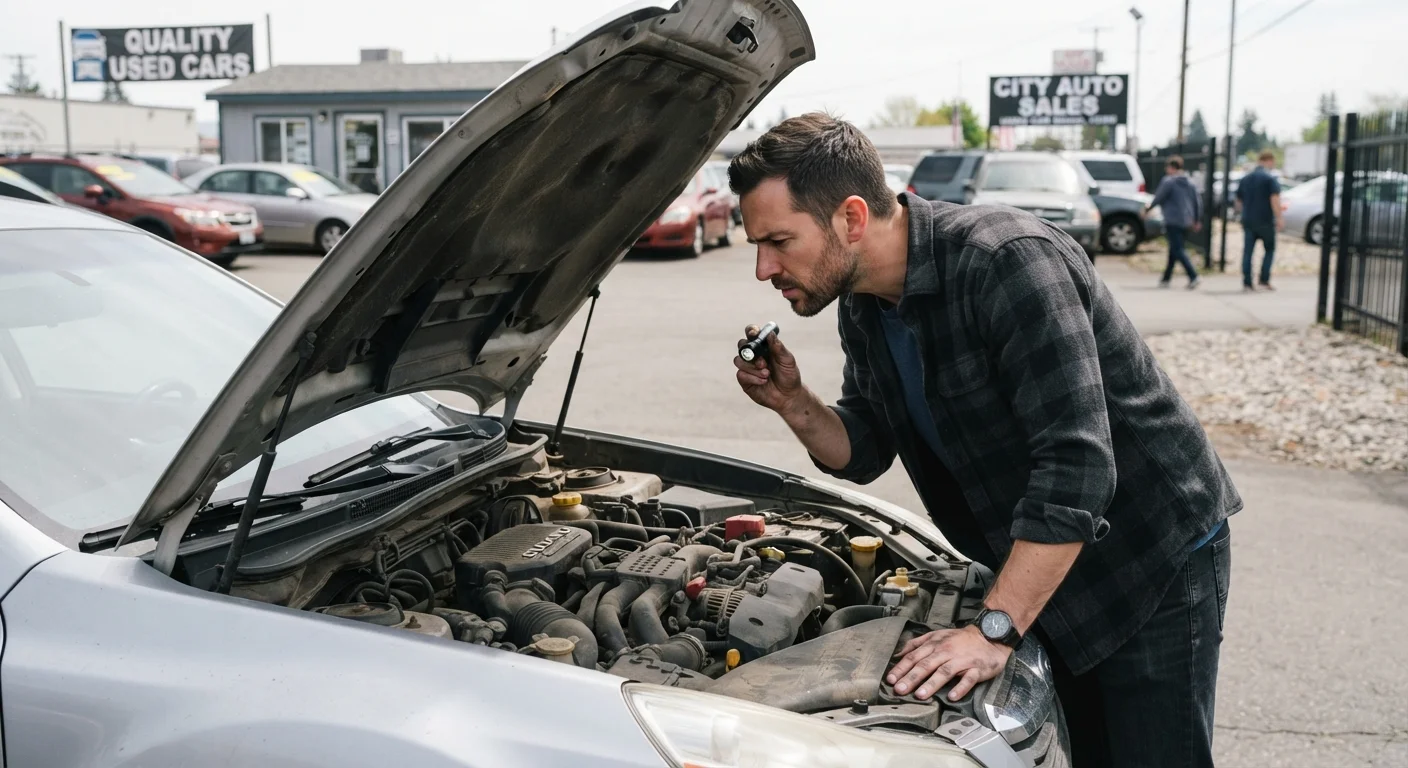
The single most effective risk-reduction step is a pre-purchase inspection by an independent, qualified mechanic — not the selling dealer's service department. A trained eye can identify developing issues that neither a test drive nor a history report will surface. Expect to pay a modest fee for this; it's consistently one of the highest-value investments in the used-buying process.
Certified Pre-Owned Is a Middle Ground
Certified pre-owned (CPO) programs, offered through franchise dealerships, provide manufacturer-backed inspections and limited extended warranties. They typically cost more than non-certified used vehicles but less than new, and they reduce — though don't eliminate — the risk of unknown mechanical issues. Terms, mileage limits, and coverage components vary significantly by manufacturer, so read the actual CPO warranty document before relying on it.
Where you buy also shapes your exposure considerably. Private sellers offer no return policy and typically no warranty, while franchise dealerships carry more accountability and may offer certified pre-owned options. Auctions represent the highest-risk channel for most everyday buyers. Our guide to used car sources weighs the trade-offs of each channel. For a broader view of the used market's genuine strengths, this piece on underappreciated used car advantages covers the full upside case.
~20%
Typical first-year new car depreciation
Industry data consistently shows new vehicles lose roughly 15–25% of value in the first year alone, making the early ownership period particularly costly for new buyers.
1–2%
Typical rate premium on used auto loans
According to Federal Reserve consumer credit data, used vehicle loan rates have historically tracked one to two percentage points above comparable new vehicle rates, though spreads vary by lender and credit profile.
This article provides general information about used vehicle purchases and is not personalized financial or legal advice. Costs, loan terms, and vehicle values vary by region, market conditions, and individual circumstances. Consult a qualified financial adviser before making significant purchasing decisions.